
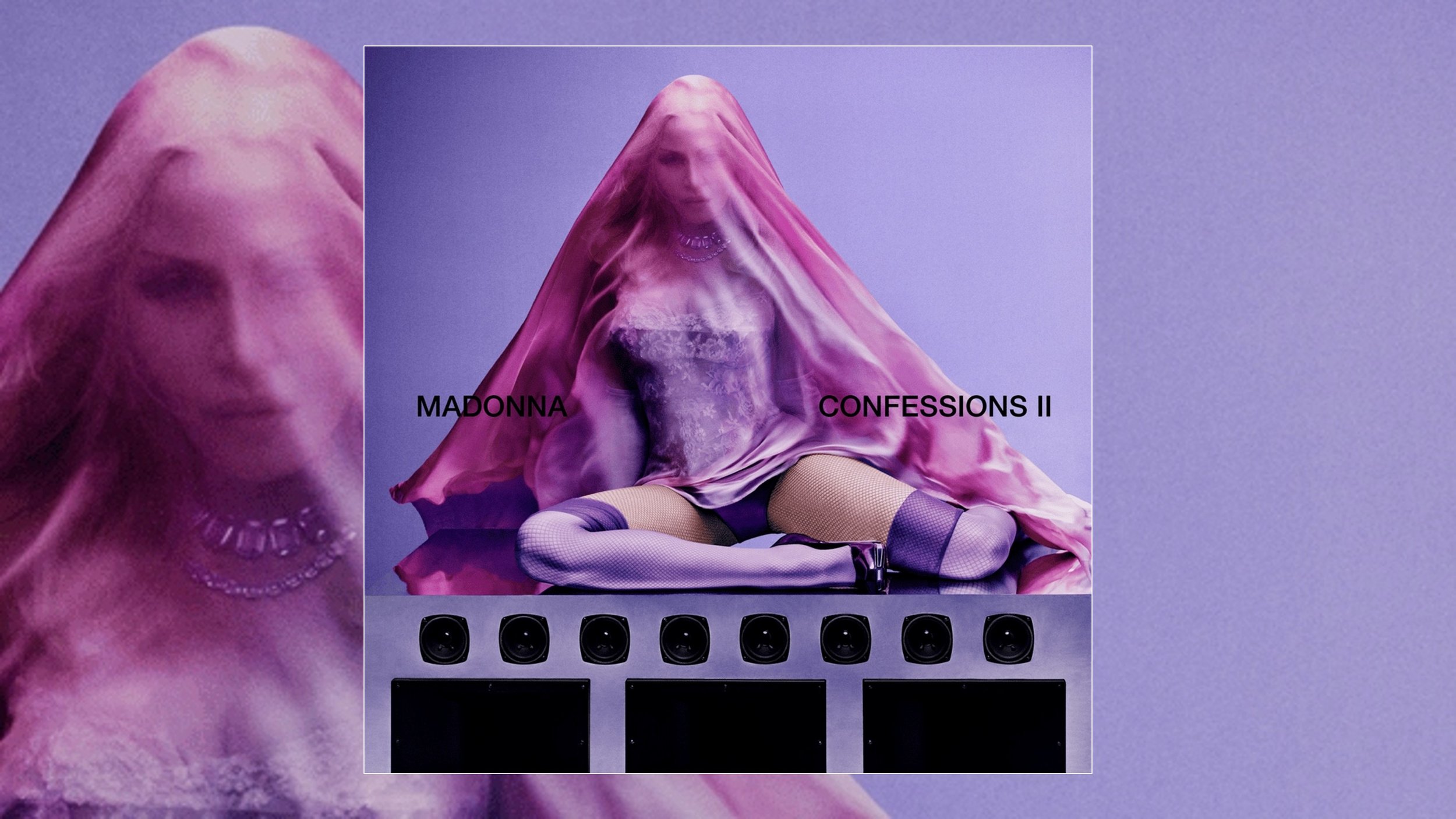
Madonna
CONFESSIONS II
Warner
Listen Below

The track “One Step Away” on CONFESSIONS II opens with what has always seemed to be Madonna’s overarching thesis throughout her many-decades career: “People think dance music is superficial / But they’ve got it all wrong / The dance floor is not just a place / It’s a threshold / A ritualistic space where movement replaces language.”
Back when Madonna was a teenager in Michigan, she and her ballet teacher Christopher Flynn would go out dancing at gay and racially diverse nightclubs all over Detroit and that became a part of her extended dance (and life) education. Not long after moving to New York in 1978, she became a fixture at nightclubs like Danceteria while spending long days as a professional dancer at the American Dance Theater.
She mostly stumbled into making music, learning a few guitar chords from a boyfriend and then hooking up with other creatives obsessed with pop or whatever they heard blaring from boomboxes on the street. Meaning, Madonna’s musical genius was always rooted in the professional fact that she was first and foremost a dancer—someone who felt the music deeply and knew on a cellular level what moved her and would move others, rather than someone who over-intellectualized (although she certainly approaches album concepts and her many reinventions from a highly cerebral plane).
This, too, always seemed to be the foundation of her steely confidence and unflappability: a physical-strength, body-based “knowing” overriding insecurity and overthinking. On CONFESSIONS II, however, Madonna becomes remarkably vulnerable and introspective, looking back at her career beginning when she was a plucky young woman surviving poverty and bad neighborhoods in late ’70s/early ’80s New York City, while also contemplating her own mortality (she had a near-death experience in 2023), several recent deaths in her family, and her role as a mother now that her oldest child Lourdes is fully grown. The result is a deeply diaristic, house-steeped record that’s her best in two decades, since Confessions On A Dance Floor (2005).
The concept sprung from her growing notion that “the world is in a very dark place and people need to dance.” She reached out to producer Stuart Price, with whom she’d done the original Confessions On A Dance Floor. “I hadn’t worked with Stuart for a long time. We’d just done the Celebration Tour together, but besides that, I didn’t really see or speak to him for probably 15 years,” she told Interview last month. “I was living in New York and I reached out to him, thinking, “What if we tried to make Confessions On A Dance Floor: Part II, and reenter the world of inspirational dance music?” So she flew to London, went into his studio, and they played around with various ideas to see if there was still any creative synergy between them.
And there was. As they did with Confessions On A Dance Floor, they decided to structure the record like a continuous mix, where each song bleeds into the next. It’s an approach that contributes to the narrative, memoir-like vibe of the album, infusing it with a palpable sense of story.
Listen to the Album:
CONFESSIONS II opens with the celestial, icy, air-conditioned deep house track “I Feel So Free,” where Madonna admits to feelings of alienation: “I find it really hard to trust people.” She talks about creating personas, and how they can mask feelings of otherness: “So much of the time I like to just hide in the shadows, create a new persona, a different identity / I can be whoever I want to be / Create a new persona / Honestly, I wish I could be like other people and just not care / But out here, on the dancefloor, I feel so free.” It’s somewhat difficult to imagine Madonna, an extrovert and a Leo if there ever was one, hiding in the shadows. But decades of being the world’s most famous pop star has no doubt probably created a very weird relationship to regular people.
“Good For The Soul” features contemplative electronica, and begins with the space-agey credo “Everything begins in consciousness.” It’s warmer, like the alcohol is starting to course through your veins and you’re beginning to think you might be able to dance all night. It melts into the propulsive “One Step Away” featuring touches of piano, strings, disco flourishes, and a soaring buildup that dissolves into the hopeful declaration that you’re “One step away from your freedom.”
Dance-pop track “Bring Your Love” was first unveiled at Coachella when Madonna appeared as a surprise guest during Sabrina Carpenter’s set. There’s a fun, lived-in camaraderie between the two artists, and it’s reminiscent of one of my all-time favorite house-infused Madonna tracks “Vogue,” though “Bring Your Love” brings a candy-coated pop DNA that’s also distinctly modern and definitely of the 21st century.
Meanwhile, “Danceteria” is absolutely infectious, the standout track of the entire record. It’s a nostalgic trip through Madonna’s early beginnings, and she gives shoutouts in rap form to DJ Mark Kamins who first played her tape of “Everybody” at Danceteria, as well as Basquiat, Fab 5 Freddy, David Byrne, Keith Haring, Debi Mazar, and Nile Rodgers. The song offers an inclusive sense of taking the listener along for the wild ride and revisiting all the old friends and former haunts. It’s playful and even goofy in parts, and imbues a fun sense of un-self-consciousness that we rarely see from Madonna.
“Read My Lips,” featuring Colombian reggaeton artist Feid, showcases acoustic guitar and the Latin flavor Madonna often does with beauty and sophistication. It’s a nice interlude, though it’s not a particularly strong or memorable track.
“Everything,” on the other hand, is a pulsing house track with an urgency that addresses the anxiety of the present moment: “When I close my eyes / Everything is crystallized / No one wants to go outside / It’s not okay / It blows my mind.” Then there’s a pause: “It’s not okay, I don’t fuck with it!” Madonna is vague as to what “it” is, but a few guesses are: our over-reliance on the internet, the prevalence of gun violence, or just the constant onslaught of ridiculous bullshit from the Trump administration. (But it was definitely nice to have a Madonna album to get lost in over a 4th of July weekend that otherwise would have been deeply depressing.)
“Love Sensation” is another favorite of mine, a simple, perfect dance song in the sense that it’s pulsing and throbbing and disco-studded in a sunny, soaring, zigzagging way that gently takes over your body so that it seems almost inevitable that you’re going to move.
Italian duo Parisi contribute production to “Love Without Words,” which builds and dissolves and features a creative deconstructed noise interlude. “Call it trance, call it house, call it love without words,” Madonna commands.
The second half of the album turns markedly more introspective, beginning with the Martin Garrix collaboration “Bizarre,” which is rumored to be about Madonna’s ex-husband Sean Penn, for whom she bought a Shelby GT500 Mustang during their marriage. It’s referenced in the line ““He drove way too fast / Shelby Cobra wasn’t built to last.”
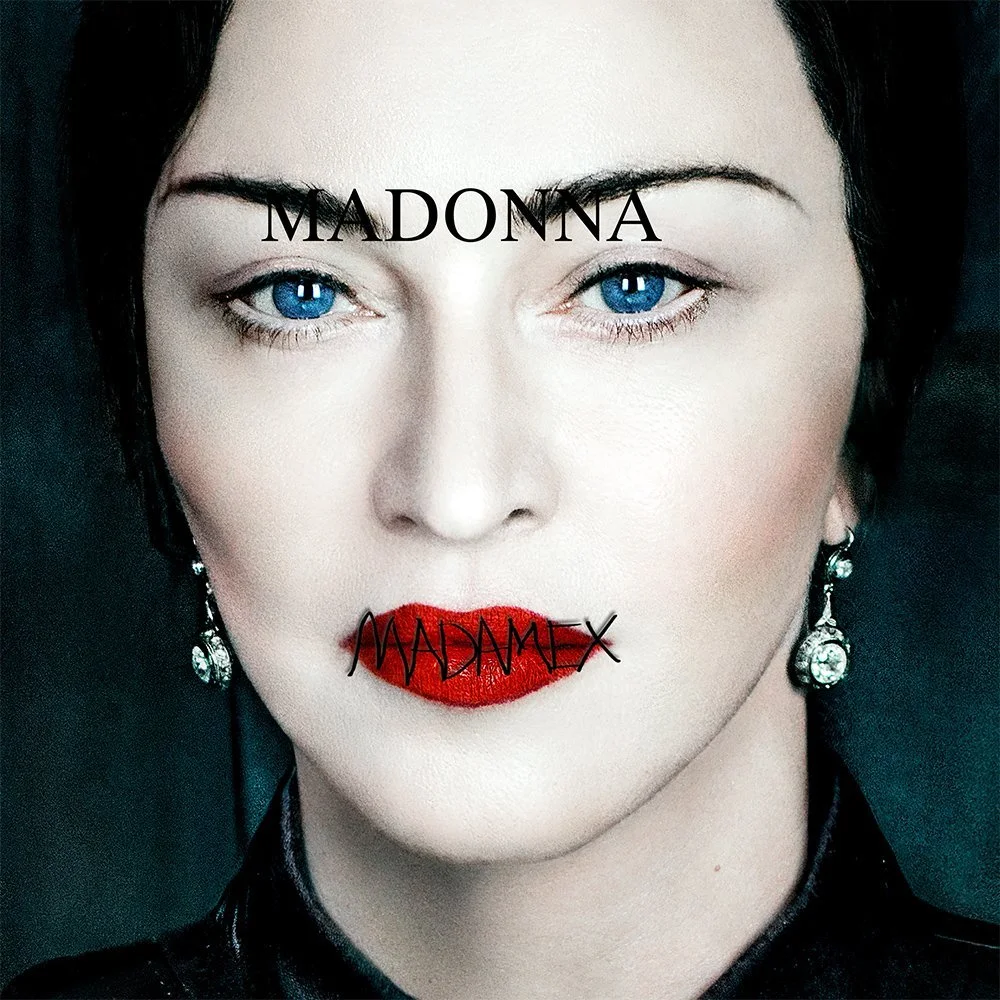
Enjoying this article? Click/tap on the album covers to explore more about Madonna:
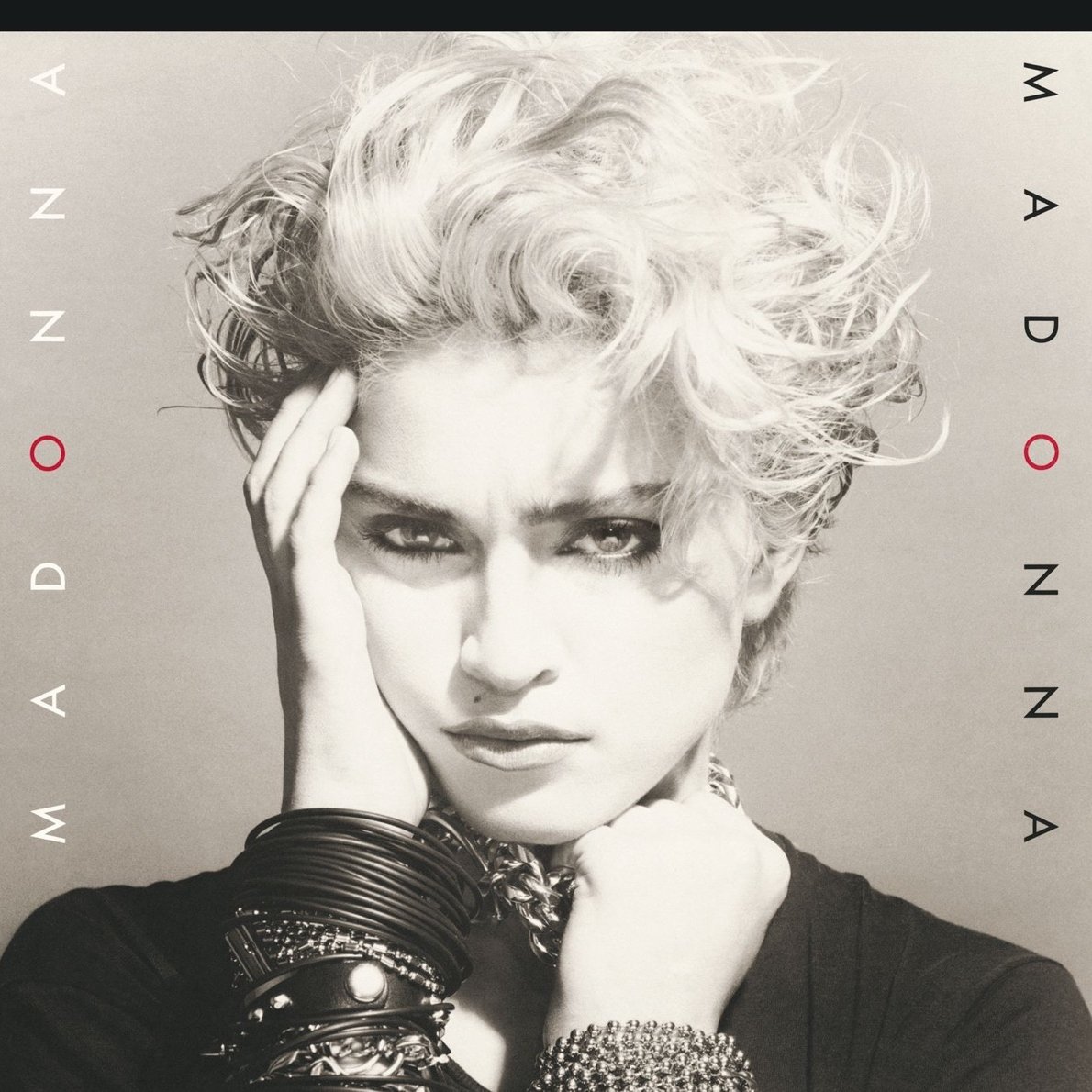
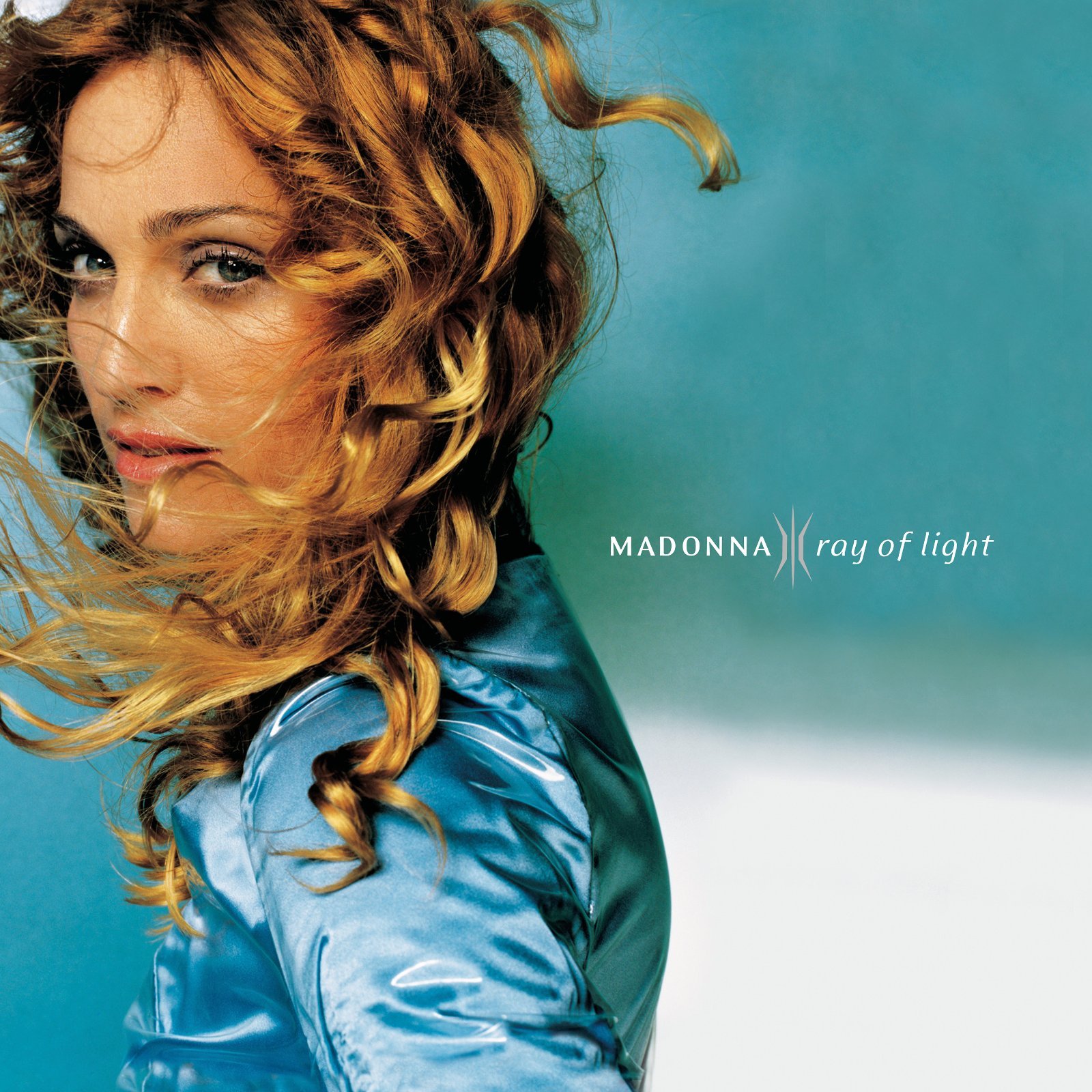
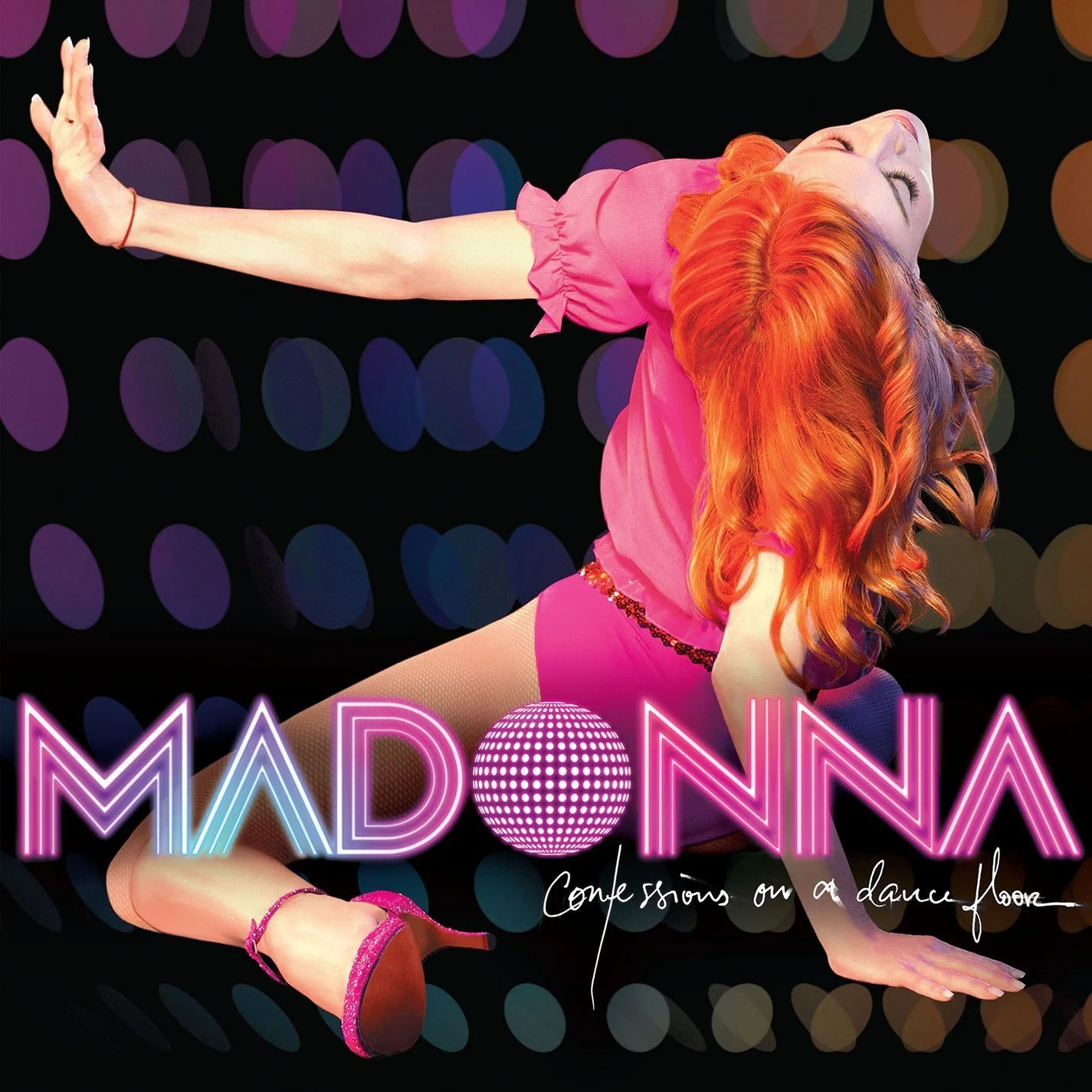
“School,” meanwhile, is probably my least favorite track due to its overly repetitive nature and flat, bland chorus. “School is in session” is apparently code for sexual experience, and the song is a declaration that Madonna’s still got it—a message I can totally get with despite the grating musicality.
“People really think that there’s a beginning and an ending to this thing called life / Energy never dies, this is just a portal we’re going through / Still it’s hard to let go.” On the ballad-y “Fragile,” Madonna pays tribute to her love for her brother Christopher Ciccone and to their “fragile bond” that led to volatile ups and downs throughout their relationship. The song is also quite possibly an unspoken acknowledgement of Madonna’s own mortality and her brush with death in 2023, when she became seriously ill with a bacterial infection.
“My Sins Are My Savior,” featuring Belgian rapper Stromae, is loungey and atmospheric and features French spoken word. It’s smoky and vibey, and I love the way it blends into “Betrayal,” a snaky, slinky trip hop-style track that could be featured in a James Bond film. It’s reportedly about Madonna’s difficult relationship with her stepmother Joan Ciccone, who died around the same time as her brother Christopher. “Take the hammer hit the nail / You’ll never take my mother’s place,” she sings resolutely.
“The Test” is a duet between Madonna and her own daughter Lola (Lourdes) Leon, who has a truly gorgeous voice. Madonna addresses her as “Little Star,” as she did on Ray Of Light (1998), and examines with honesty how her fame might have negatively affected Lola: “You didn’t ask for all the flashing lights / I didn’t think of how it could disturb / Or how it hurt / I wish I knew the pain I’ve caused / My butterfly was always being watched.”
CONFESSIONS II ends with “L.E.S. Girl,” a song that seems to be, again, about Madonna’s early days in New York. It’s a surprising but quite lovely track that’s almost Beatles-esque, or maybe like a ’90s Britpop take on the Beatles. She references a young girl who “on Avenue B, she paints her lips cherry red,” as well as a young man who might be the boyfriend who taught her a few chords—“He played guitar on St. Mark’s place.” The whole thing has a rosy, soft-focus, old-timey romantic feel to it, although she concludes somewhat forlornly that “everything fades away…except for you.”
Though Madonna’s highly anticipated biopic seems to be at a standstill, CONFESSIONS II does a poignant job of capturing the pop star’s life both past and present in a way that’s uncharacteristically unguarded and deeply introspective. I’m completely charmed by this new Madonna, and can’t wait to see where it takes her next.
Notable Tracks: “Bring Your Love” | “Danceteria” | “L.E.S. Girl” | “Love Sensation” | “One Step Away”
LISTEN/WATCH:
