
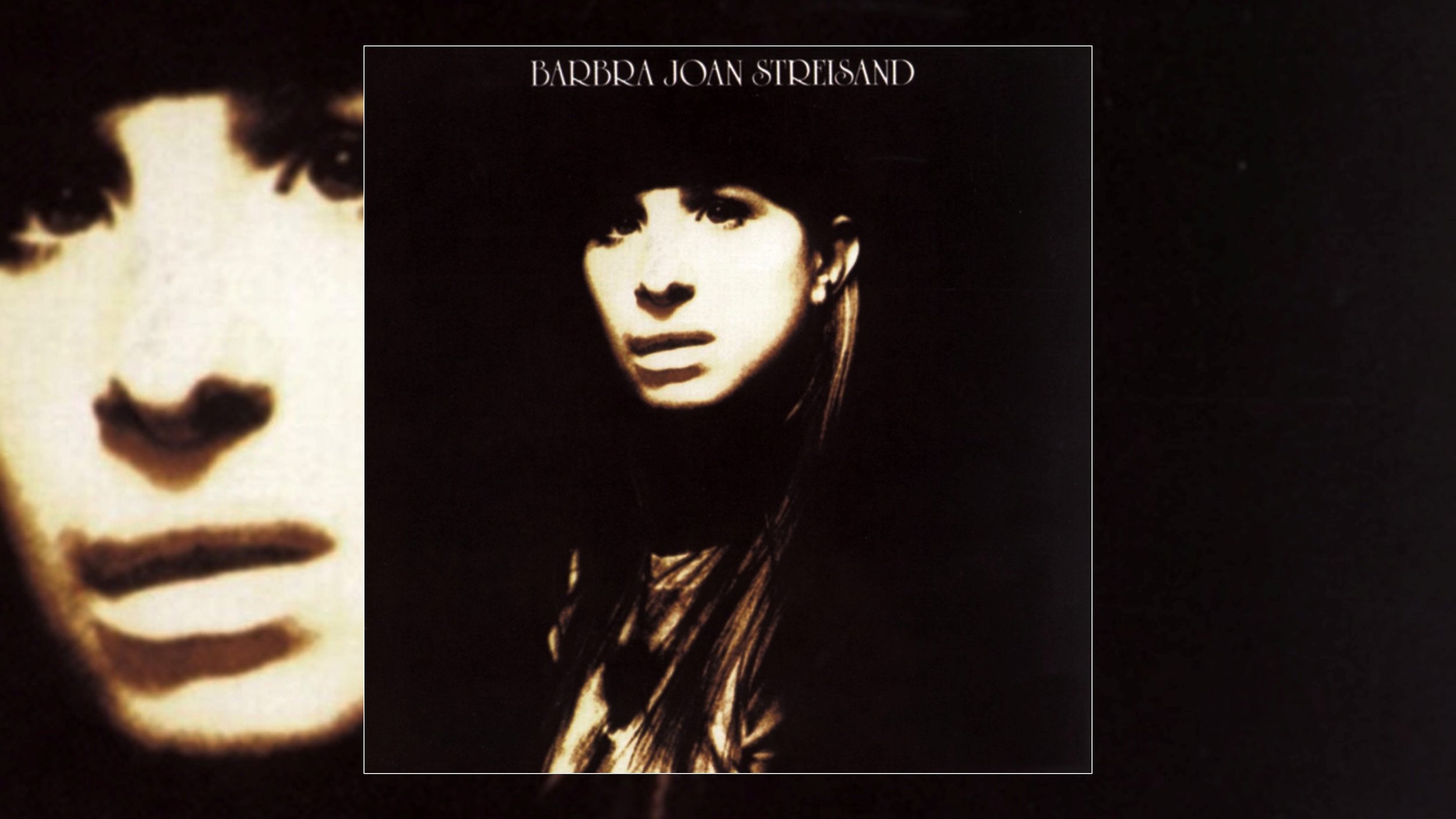
Happy 55th Anniversary to Barbra Joan Streisand’s thirteenth studio album Barbra Joan Streisand, originally released in August of 1971 (specific date N/A).
There are landmark albums that arrive with fanfare, reshaping popular music overnight. Then there are records whose influence reveals itself more gradually, deepening with every passing decade. Barbra Joan Streisand, released in August 1971, belongs firmly to the latter. Fifty-five years later, its quiet confidence feels almost radical. It was not designed to overwhelm. It invited listeners closer.
By the beginning of the 1970s, Barbra Streisand had little left to prove. Broadway had embraced her. Hollywood had crowned her. Record buyers had made her one of Columbia Records' most dependable stars. Yet rather than retreat into the familiar territory of grand orchestrations and the Great American Songbook, she continued moving toward the contemporary songwriting revolution that was reshaping American music. It was a decision that demanded artistic courage. Audiences often prefer their icons preserved in amber. Streisand has never been interested in remaining still.
Working once again with producer Richard Perry, following the success of Stoney End (1971), she assembled a repertoire that reflected the extraordinary creative explosion occurring in American songwriting. Carole King, John Lennon, Laura Nyro, Burt Bacharach and Hal David, Michel LeGrand, Donald Fagen and Walter Becker all sit comfortably beside one another, their songs united not by genre but by emotional honesty. Rather than bending these writers to fit her established image, Streisand allowed herself to inhabit their worlds.
The opening moments immediately announce that intention. "Beautiful," one of three Carole King compositions featured here, feels refreshingly unguarded. Streisand resists the temptation to overpower its optimism. Instead, she sings with warmth and conversational ease, finding dignity in simplicity. It is a reminder that technical brilliance means very little without emotional restraint.
John Lennon's "Love" receives similarly delicate treatment. Lennon's original carries an almost devotional intimacy. Streisand expands its emotional canvas without sacrificing vulnerability, allowing each phrase to breathe. Her voice never dominates the song. It serves it.
Listen to the Album:
That sensitivity runs throughout the album. "Where You Lead" arrived as the record's lead single, introducing a more buoyant energy. Long before television audiences would forever associate it with Gilmore Girls, Streisand recognized the song's irresistible melodic optimism. Yet beneath its brightness sits something more complicated. Her reading subtly acknowledges the sacrifices love often demands without diminishing its joy.
Laura Nyro's magnificent "I Never Meant to Hurt You" remains one of the album's overlooked triumphs. Nyro's songwriting has always thrived on emotional contradictions, and Streisand approaches the material with remarkable empathy. Every hesitation, every slight crack of feeling, gives the performance extraordinary humanity. It never feels theatrical. It feels lived.
The emotional centerpiece of the album comes by way of the breathtaking Bacharach and David pairing of "One Less Bell to Answer / A House Is Not a Home." Medleys can often feel like clever arrangements searching for a purpose. This one unfolds as though the songs were destined to exist together. Perry's production understands precisely when to step forward and when to disappear, allowing Streisand's phrasing to guide the emotional architecture. By the closing moments, heartbreak has become almost tangible.
Side two (vinyl reference) refuses to settle into predictability. "Space Captain" embraces gospel-inflected rock with surprising conviction, helped enormously by the remarkable musicians surrounding Streisand. Members of pioneering all-female rock band Fanny provide backing throughout the album, bringing an understated edge that subtly distances the record from traditional adult contemporary conventions. Their contribution deserves far greater recognition within the album's legacy.
Another extraordinary presence often overlooked is legendary backing vocalist Venetta Fields. Long before becoming beloved by Australian audiences through her decades alongside John Farnham, Fields was already one of the most respected session singers in American music (Ikettes, Rolling Stones and Pink Floyd, to name a few). Her voice, woven almost invisibly into these recordings, adds warmth and depth without ever demanding attention. Like all great backing vocalists, her artistry strengthens every emotional moment while allowing the principal storyteller to remain center stage.
"Since I Fell for You" showcases Streisand's effortless command of classic rhythm and blues phrasing. There is remarkable patience in her delivery. She trusts silence as much as sound, allowing longing to settle naturally between the notes.
Then comes one of the album's bravest recordings. Lennon's deeply autobiographical "Mother" remains emotionally devastating more than half a century later. Covering such an intensely personal song could easily have become an exercise in imitation. Streisand wisely chooses another path entirely. She approaches it through empathy rather than replication, uncovering universal grief within intensely private pain. Few singers possess the emotional intelligence required to navigate such material without overwhelming it. Streisand manages exactly that.
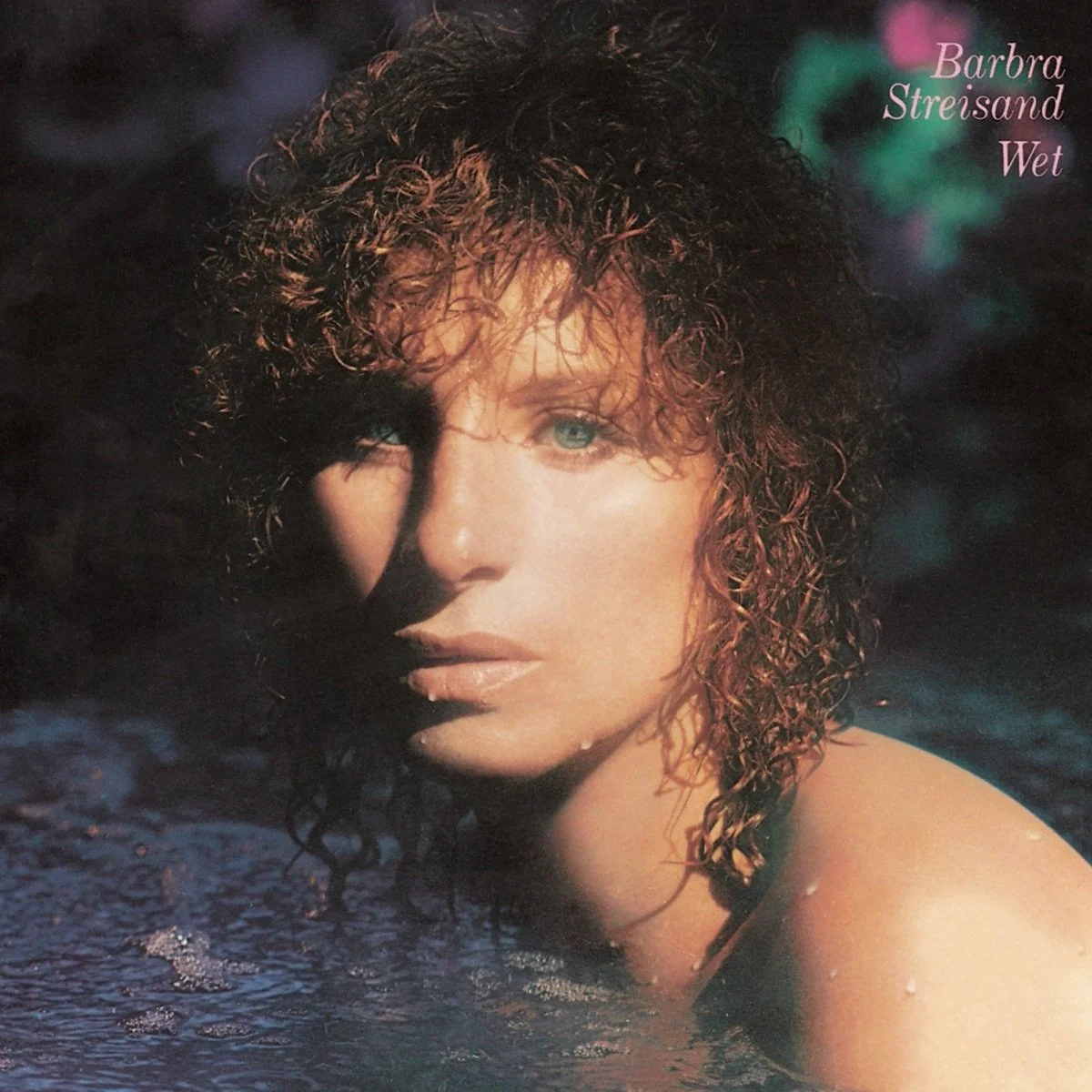
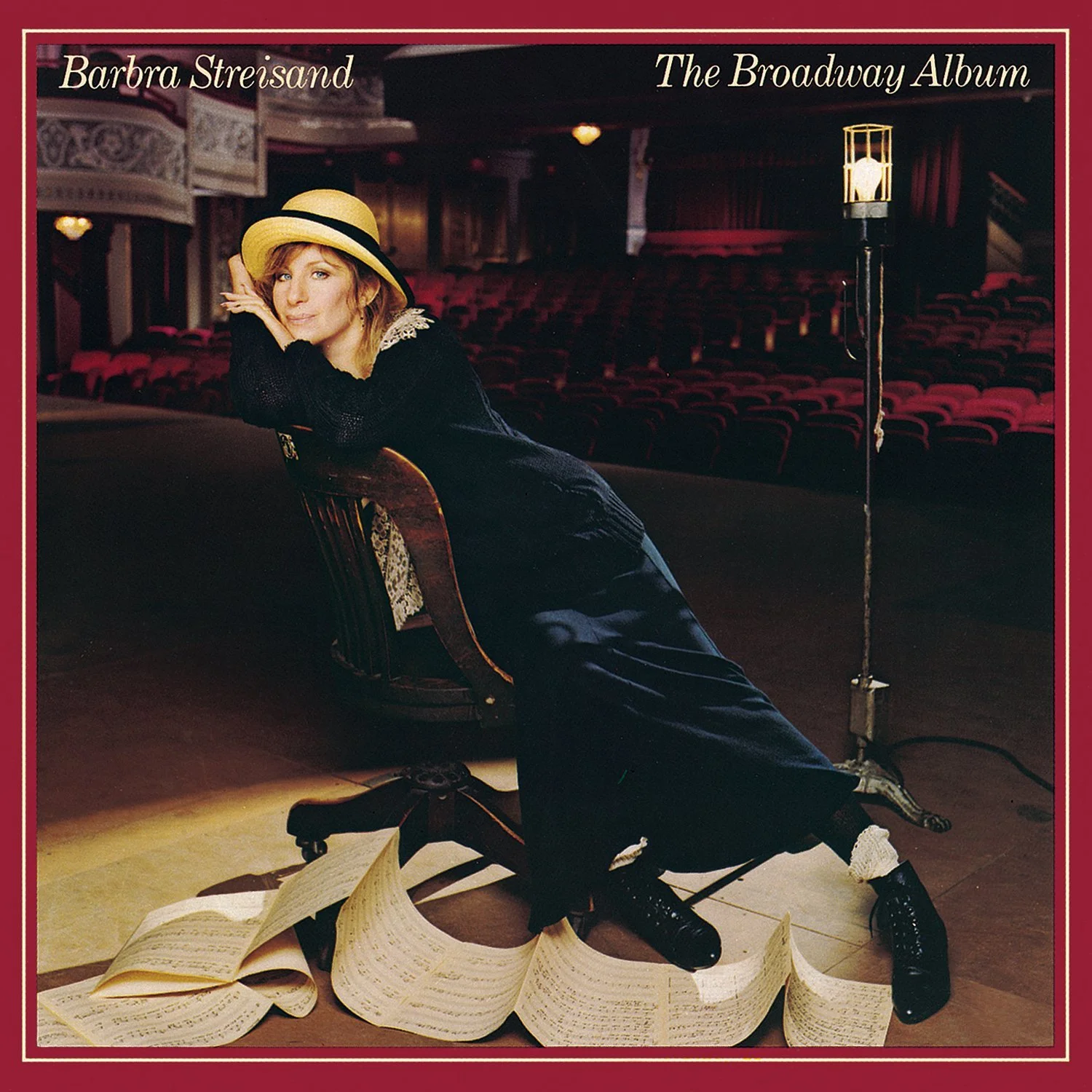
Enjoying this article? Click/tap on the album covers to explore more about Barbra Streisand:
"The Summer Knows" is undoubtedly one of the album's most elegant moments. Michel LeGrand's sweeping melody, paired with Alan and Marilyn Bergman's poetic lyric, seems almost predestined for Streisand's voice. She finds extraordinary stillness inside its romantic melancholy, allowing nostalgia to emerge with quiet sophistication rather than sentimental excess.
One of the album's fascinating historical footnotes can be seen on "I Mean to Shine," written by two relatively unknown songwriters named Donald Fagen and Walter Becker. Before Steely Dan would redefine sophisticated rock throughout the decade, Streisand recognized something compelling in their writing. The song carries hints of the harmonic intelligence that would soon become their signature while comfortably inhabiting her interpretive world.
The album concludes with Carole King's "You've Got a Friend," a performance overflowing with generosity rather than vocal exhibition. Streisand understands that reassurance rarely needs embellishment. Sometimes the simplest reading carries the deepest emotional truth.
Commercially, Barbra Joan Streisand performed strongly, reaching #11 on the Billboard album chart while earning Gold certification across the United States, Belgium and Sweden. Those achievements only tell part of its story though. Its real significance lies elsewhere.
This was an artist refusing to become trapped by expectation. Streisand recognized that interpretation is not simply about vocal perfection. It is about curiosity. About listening deeply enough to discover something hidden inside another writer's work before offering it back to the audience transformed, yet somehow still completely intact.
That instinct has become one of the defining characteristics of her extraordinary career and one of the reasons her influence extends far beyond singers. Generations of performers have learned from Streisand that intelligence and commercial success are not opposing forces. Emotional complexity belongs in popular music. Song selection matters. Production should illuminate rather than distract and great interpretation is never about singing louder. It is about revealing something listeners had not noticed before.
Fifty-five years after its release, Barbra Joan Streisand remains one of the quiet masterpieces within an astonishing catalogue. It asks the listener for patience rather than immediate gratification. In return, it offers something increasingly rare: an album that continues revealing new emotional shades long after the final note fades. That may be its greatest achievement of all.
Listen:
