
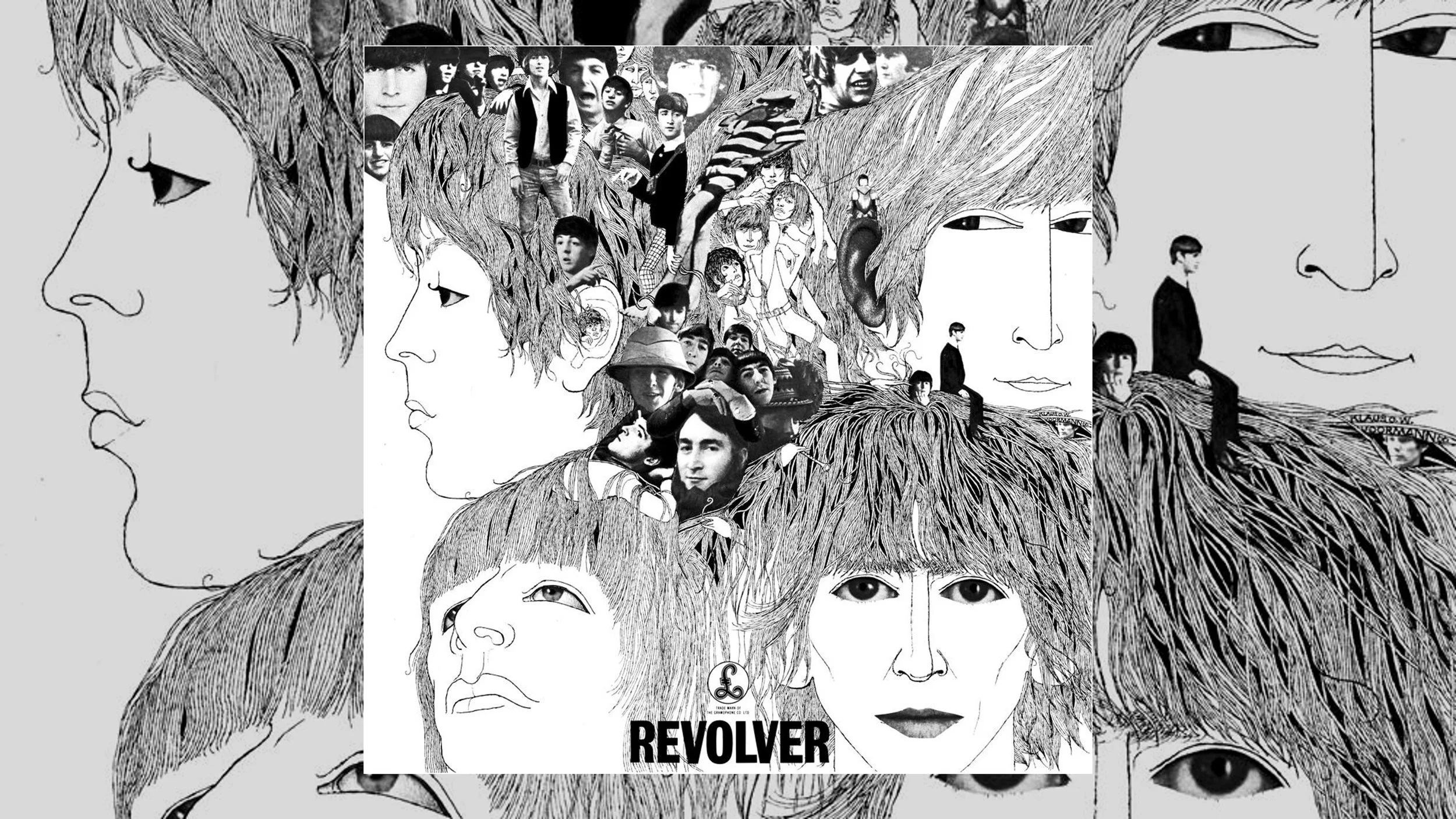
Happy 60th Anniversary to The Beatles’ seventh studio album Revolver, originally released August 5, 1966.
“It’s (‘Eleanor Rigby’) all sort of quartet stuff and it sounds like they’re out to please music teachers in primary schools.”
“Listen to all those crazy sounds! It’ll (‘Tomorrow Never Knows’) be popular in discotheques. I can imagine they had George Martin tied to a totem pole when they did this!”
“This is the first Beatles LP I’ve really listened to in its entirety, but I must say there are better songs on ‘Rubber Soul’.”
These are from a review of The Beatles’ seventh studio album Revolver. The writer was none other than The Kinks’ Ray Davies. It’s not much of a stretch to say that time has not been too kind to his observations. In the sixty years since its arrival, Revolver has lost none of its capacity to astonish. It remains a record that sounds simultaneously of its time and ahead of it. The album redrew the map of what popular music could do and be.
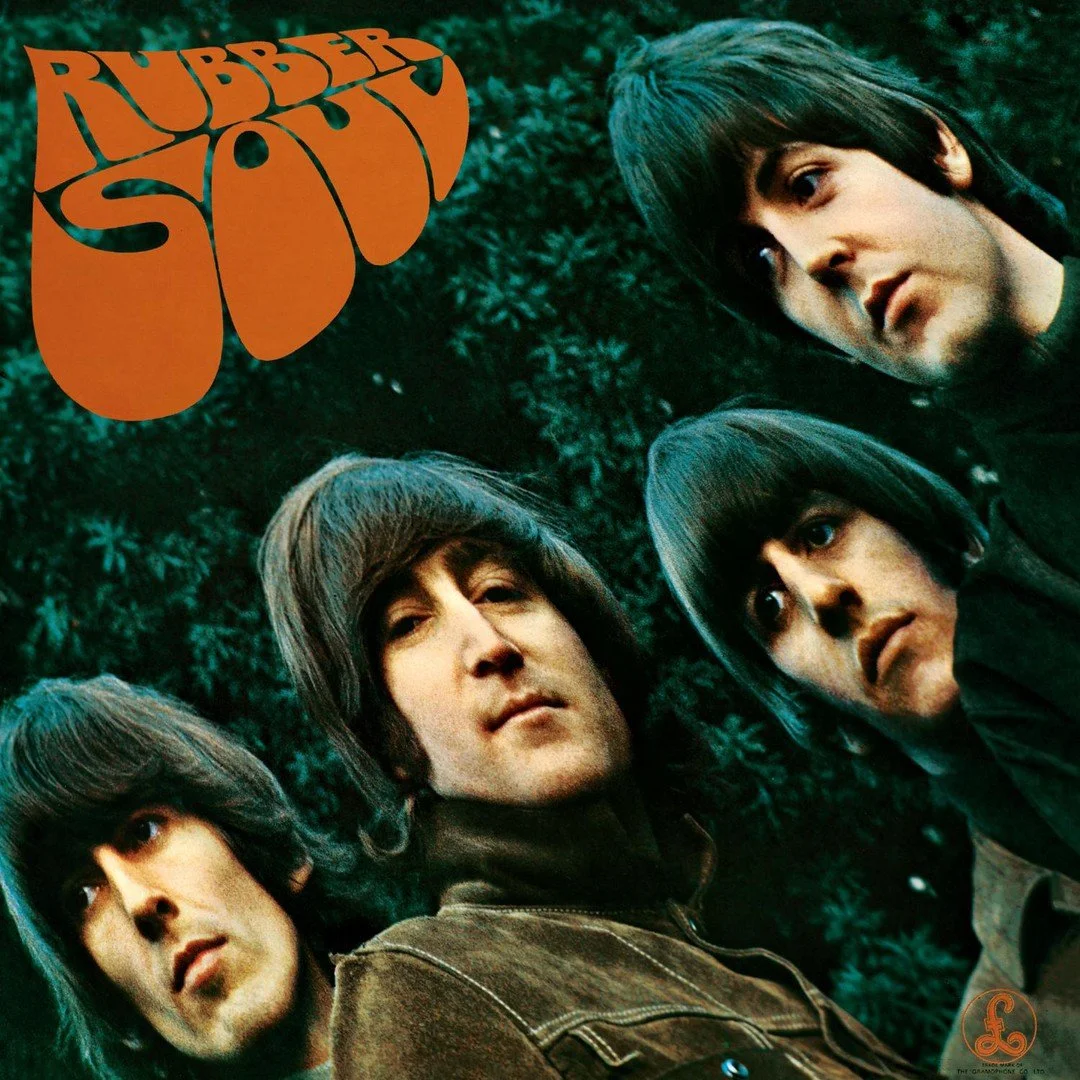
By 1966, the Beatles had evolved from being a supremely gifted pop group into something that transcended the ordinary. Rubber Soul (1965), released the previous December, included more introspective lyrics, richer arrangements, a willingness to embrace emotional complexity. Revolver was a quantum leap beyond even that. Arriving at EMI Studios (later known as Abbey Road Studios) in April 1966, the band had three months of dedicated studio time ahead, free from any obligation to reproduce the music in live performances. The result was a record that sounded like nothing that had come before it.
The album starts with George Harrison’s “Taxman,” a humorous protest against the steep 95% tax rate on high earners in Britain at the time. What makes the start so captivating is that the music begins after a count-in meant to convey a message of authenticity rather than manufactured smoothness. It was akin to breaking the fourth wall in a movie. McCartney’s bass playing is an excellent co-star on the track. Essentially, “Taxman” functions as an introductory statement indicating the Beatles’ pivot from making love songs their main focus.
The second track, “Eleanor Rigby,” drives home the album’s message with even greater intensity. With only a string octet and no rhythm section, the group presented a song about loneliness and death. McCartney’s portrait of isolated lives—like the woman picking up stray rice at a wedding church—is a literary feat that had been rarely seen in pop music. The question the song poses, “where do they all belong?”, is not rhetorical. It’s unanswered, and that unresolved quality is precisely what gives the song its power. Compared to the joyful optimism of “I Want to Hold Your Hand” just three years earlier, it is a startling contrast.
Listen to the Album:
A key element that sets Revolver apart is George Harrison’s undeniable arrival as a songwriter of considerable merit. Harrison contributes three songs, more than on any previous Beatles album. Each song is distinctive and establishes him as gifted songwriter. “Taxman” crackles with political bite, while “Love You To” is a sublime piece of Indian classical music, accompanied only by sitar and tabla.” Finally, “I Want to Tell You” explores the gap between thought and expression with a melodic sophistication that had not been evident in his earlier work. Harrison had always been an underrated guitarist, but Revolver is the album on which he arrived as a gifted writer.
Lennon and McCartney, meanwhile, were operating at their best while finding their individual styles. McCartney leaned into a more melodic and touching style: “Here, There and Everywhere” features harmonies so rich they feel like they’re fading away. “For No One” is a small, perfect study in emotional devastation, highlighted by Alan Civil’s French horn solo.
Lennon, on the other hand, simultaneously looked inward and outward, engaging with the psychedelic, philosophical, and dissonant. “She Said She Said,” reportedly was inspired by an interaction with Peter Fonda during an acid trip. While touring America in 1965, the band stayed at a house in the upscale Benedict Canyon area of Los Angeles. One evening, they had a small gathering with invited guests that included Joan Baez and David Crosby. Fonda, making a bold entrance, bulldozed his way through the throng of partygoers until he reached Lennon. He kept whispering in his ear “I know what it’s like to be dead,” describing an acid trip he’d been on. Lennon wanted no part of that conversation, especially since he was tripping on acid. When Lennon began writing the song, he centered the lyrics on the incident with Fonda, adapting “he” to “she.” “She Said She Said” casts a hypnotic and slightly unsettling spell on the listener at first, yet it stands as one of Lennon’s finest compositions.
What makes Revolver a landmark album, even more than its music, is how it revolutionized the very concept of the recording studio. It was a harbinger of things to come. Under the guidance of producer George Martin and the talented engineer Geoff Emerick, the Beatles transformed EMI Studios’ four-track machines into instruments, rather than mere recording apparatus.
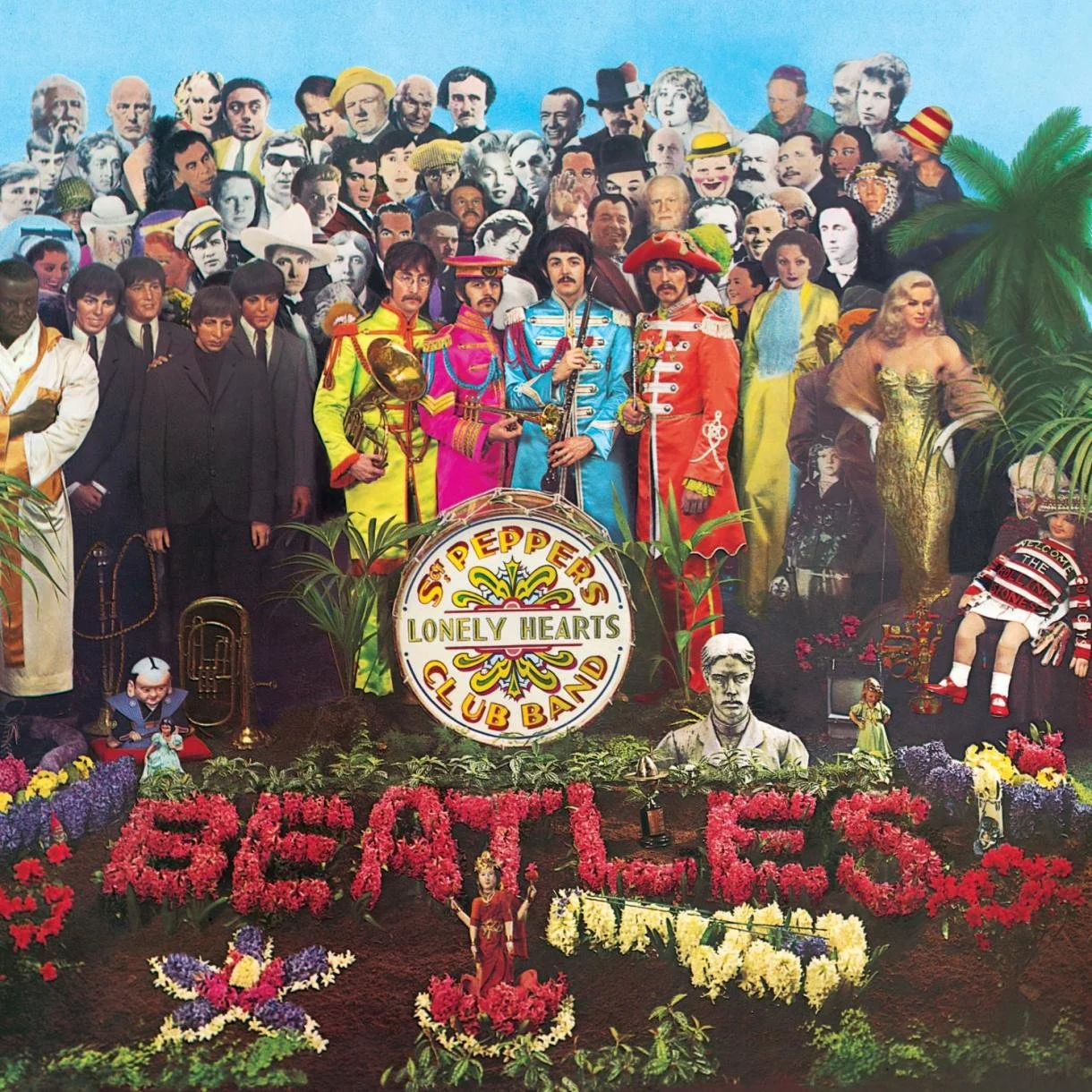
With its backwards guitar solo, “I’m Only Sleeping” cultivates a disorienting, sleepy mood, like a thought dissolving while one tries to fall asleep. The song “Tomorrow Never Knows” featured swirling tape loops, crafted from home recordings by the band members, which produced a unique sound. Techniques such as automatic double tracking, varispeed recording, close microphone placement, and direct injection of bass into the mixing board were either invented or perfected in these sessions. In retrospect, Revolver was the dress rehearsal for Sgt. Pepper’s Lonely Hearts Club Band (1967).
Closing the album with “Tomorrow Never Knows” proved to be a masterclass in how to sequence an album. Built on a single sustained chord and loosely inspired by Timothy Leary’s adaptation of The Tibetan Book of the Dead, the song features Lennon’s voice distorted by a Leslie speaker, creating the effect of a faraway broadcast and marking one of the Beatles’ most experimental recordings to date. In another world, it would have been extraordinary as an opening track.
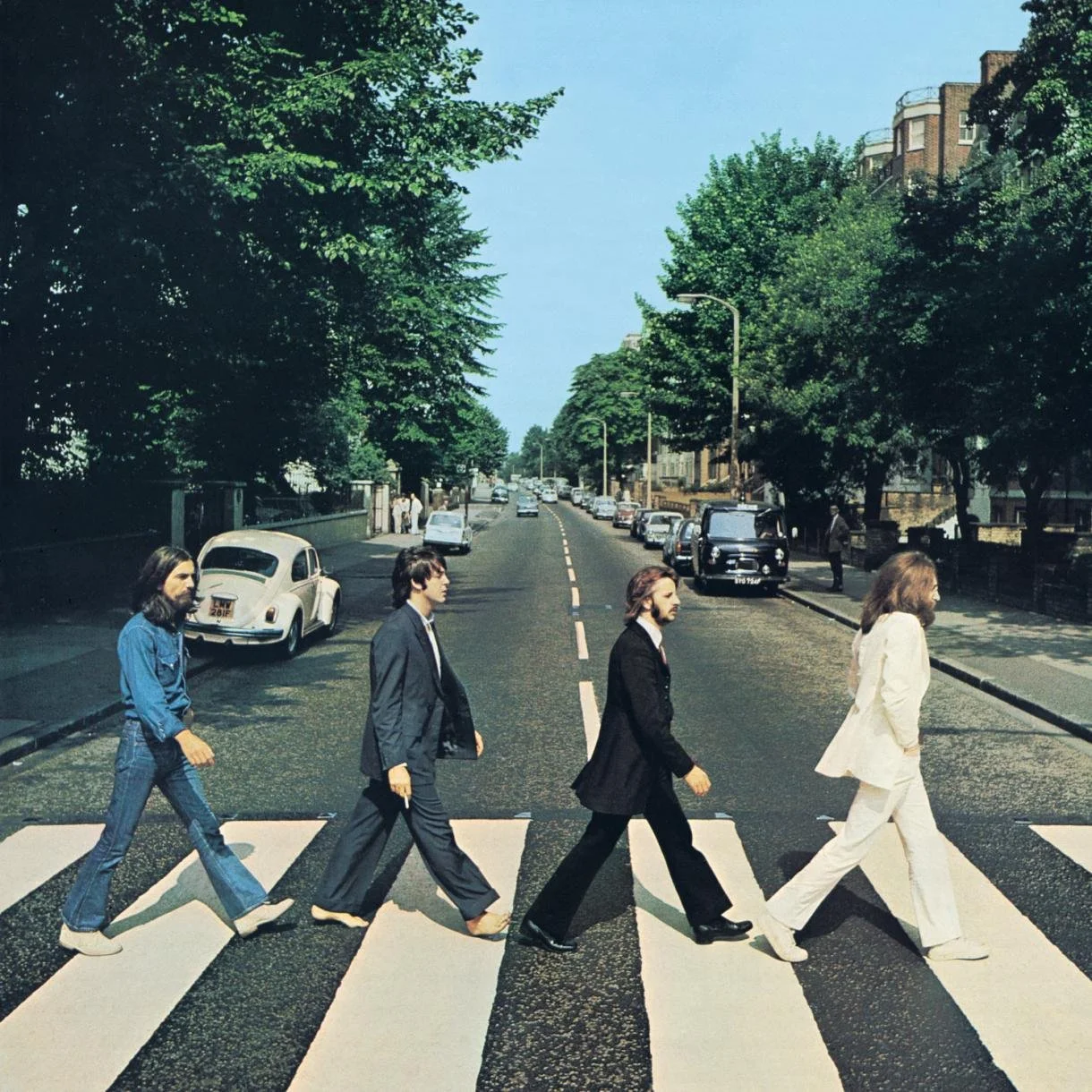
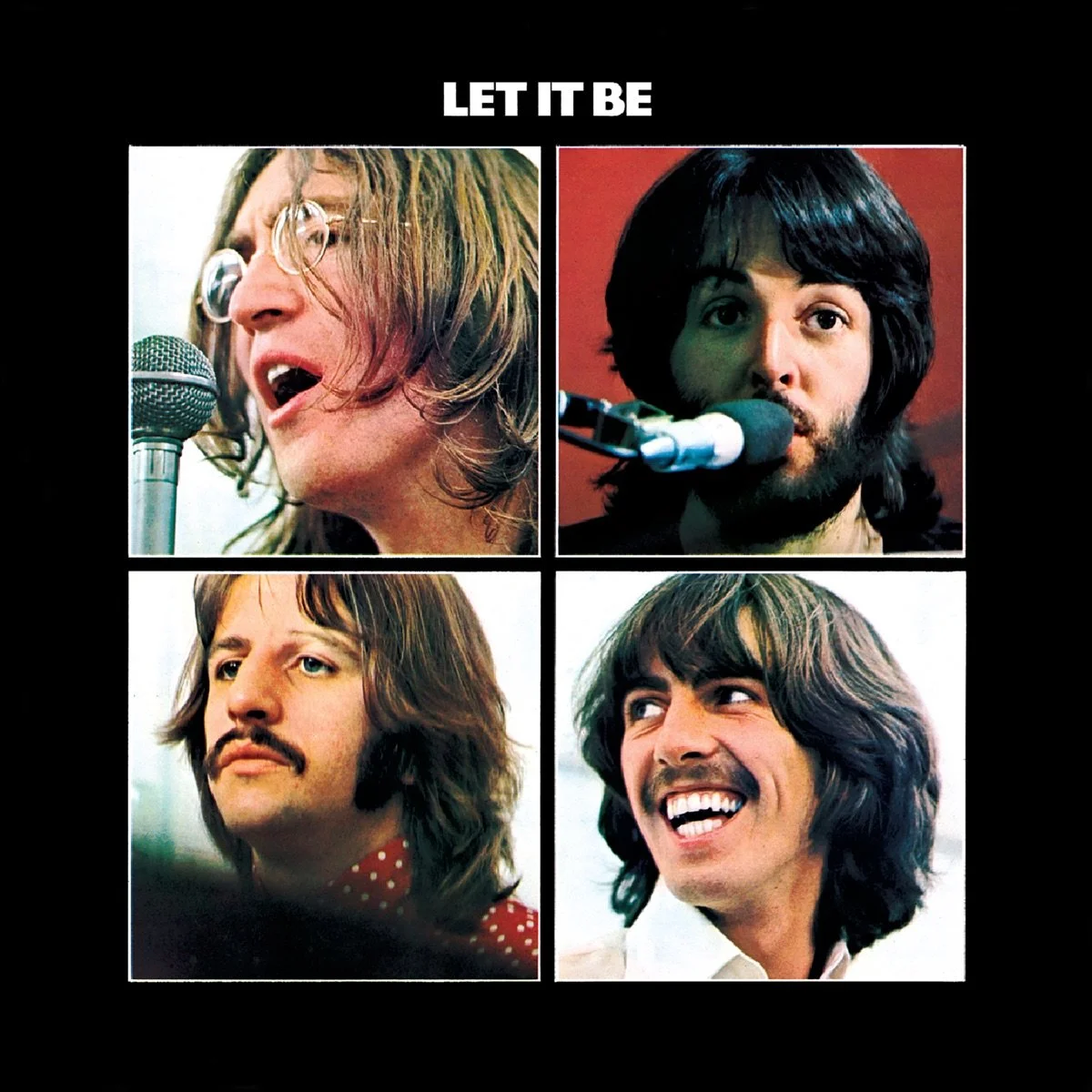
Enjoying this article? Click/tap on the album covers to explore more about The Beatles:
The immeasurable and well-documented influence of Revolver on psychedelic rock, art pop, electronica, and virtually every adventurous popular music genre that followed is undeniable. Its longevity is a testament to the songs’ extraordinary quality: they are both meticulously crafted and emotionally resonant. A record can push the boundaries of what’s technically possible in music and still fail to resonate emotionally with its audience. Revolver broke new ground while gripping you emotionally.
It is worth noting, too, that the LP was made at a particular moment of transition. Just as they were wrapping up the Revolver recording sessions, news broke out in the US that Lennon had given an interview in the Evening Standard that would endanger their popularity ahead of a tour of America. He stated, “Christianity will go. It will vanish and shrink… We’re more popular than Jesus now - I don’t know which will go first, rock and roll or Christianity.” This was not the ideal way to start a tour and the controversy may have expedited the end of the Beatles performing live.
Years later, in a book called Skywriting by Word of Mouth, Lennon wrote, “My life with the Beatles had become a trap… I always remember to thank Jesus for the end of my touring days; if I hadn’t said that the Beatles were ‘bigger than Jesus’ and upset the very Christian Ku Klux Klan, well, Lord, I might still be up there with all the other performing fleas! God bless America. Thank you, Jesus.”
Revolver was the last album the Beatles recorded while they were still a working touring band. Their last concert was August 29, 1967 at San Francisco’s Candlestick Park. The end of touring days drove them into the studio. The tensions that would eventually fracture the band weren’t present yet. What you hear instead is four musicians listening to each other with an almost telepathic attentiveness. The sum was still greater than the individual parts.
Debates will continue about which Beatles album is the greatest. Sgt. Pepper’s Lonely Hearts Club Band carries significant cultural mythology with it. The White Album (1968) has the scope. Because it was recorded after Let It Be (1970), Abbey Road (1969) is a validation of their greatness and a brilliant final bow.
But Revolver has the songs, the innovation, and integration of form and feeling that places it high on the list of the Beatles’ most important albums. It is not merely a great album, but the sound of greatness being invented in real time.
Listen:
