
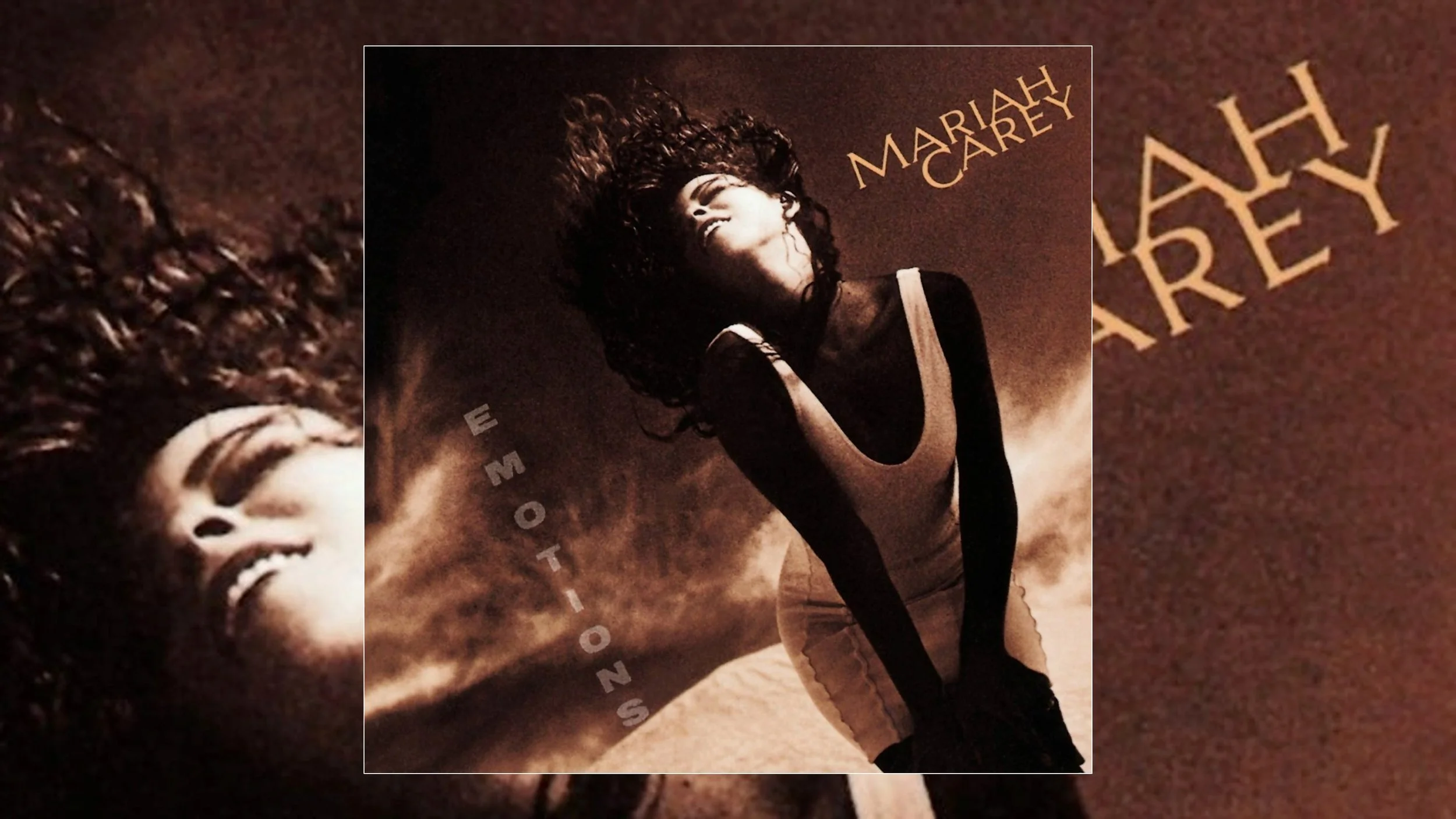
Happy 35th Anniversary to Mariah Carey’s second studio album Emotions, originally released September 17, 1991.
Thirty-five years after its release, Emotions sounds like the moment Mariah Carey decided that possessing one of the most astonishing voices in recorded music was not enough. The voice was already known. Her 1990 debut had made its scale almost frighteningly apparent, but on Emotions, Carey began revealing something perhaps even more consequential: the mind, instinct and emotional intelligence behind it. She wrote every lyric on the album, co-produced every track and, at just 21, created a record preoccupied with love not as fantasy, but as something capable of exhilaration, humiliation, spiritual rescue and profound loss.
That distinction is profoundly important because Carey has spent much of her career confronting the peculiar curse of being an extraordinary vocalist. When a voice can do what hers does, everything else risks becoming commentary. Her songwriting deserves better. Working principally with Walter Afanasieff, David Cole and Robert Clivillés, Carey made Emotions an early declaration of authorship, one in which gospel, disco, R&B, jazz and soul become different languages for feelings she was already learning to articulate with startling precision.
Opening with an almost audacious confidence, “Emotions” announces that freedom magnificently. Built around Cole and Clivillés’ ecstatic house and disco pulse, it is almost indecently joyful, with Carey’s whistle register erupting above the arrangement as though the song has physically run out of conventional space for her happiness. That famous whistle is not merely decoration. It is part of the composition’s emotional architecture, the sound of infatuation exceeding ordinary speech.
In an instant, the temperature changes with “And You Don’t Remember.” Carey writes from the bewilderment of someone discovering that memories shared by two people can apparently matter to only one of them. Her vocal is pristine, but listen beneath its beauty and the writing hurts. There is yearning here, but also disbelief, the awful negotiation that follows a broken heart when one person is still searching for meaning inside something the other has already abandoned.
That vulnerability becomes even more exposed on “Can’t Let Go.” Its spectral opening seems to emerge from somewhere private, before Carey allows the vocal to gradually increase in force without sacrificing its fragility. She does not simply sing about being unable to relinquish somebody. She inhabits the indignity of knowing you should move forward while every emotional impulse pulls backwards. The production understands restraint, leaving enough air around her voice for the ache to remain exposed.
Listen to the Album & Watch the Official Videos:
With “Make It Happen,” survival becomes physical. The Cole and Clivillés production places testimony inside movement, turning hardship into a dance record without trivializing it. Carey sings about struggle, faith and refusing to surrender, and therein lies one of her great instincts as a songwriter. Music can make a body move while saying something serious to the person living inside it. Joy and difficulty are not opposites here. One is the means of surviving the other.
Her collaboration with Carole King on “If It’s Over” is simply colossal. Its gospel and soul vocabulary gives Carey room to summon the lineage of singers who understood that vocal power means little without dramatic truth. The lyric asks for honesty at the point where love has become unbearable through uncertainty. There is dignity in the request, but also fear. She would rather confront the wound than remain suspended inside doubt, and her vocal grows accordingly, not into empty bombast but emotional insistence.
“You’re So Cold” is one of the album’s most delicious peculiarities. A piano introduces Carey almost as if she is about to deliver a gospel invocation, her voice climbing spectacularly before the song suddenly mutates into a restless dance track. It should feel structurally absurd. Instead, it is thrilling. “So Blessed” provides the necessary exhale, tender and almost devotional in its gratitude, while “To Be Around You” returns to an uptempo gospel-inflected warmth. Here love is not torment but proximity, the uncomplicated pleasure of wanting another human being near you.
But it is with “Till the End of Time” that the album cuts deepest.
Few Carey songs capture romantic desperation with such unnerving beauty. What begins as devotion gradually reveals something more precarious: the need for permanence when permanence can never truly be guaranteed. Carey writes about wanting to love somebody until time itself expires, but beneath that promise is terror. Anyone who has loved deeply enough to fear its disappearance understands the contradiction. Love can make us feel secure while simultaneously giving us something catastrophic to lose. Carey sings directly into that contradiction. The result is exquisite because it is not emotionally tidy.
As the song dissolves, wind carries us into “The Wind,” built around the Russell Freeman composition recorded by Chet Baker. Jazz replaces pop architecture and Carey closes the album contemplating death. After a record consumed by the different states of love, this final piece considers its most absolute interruption. Her voice is remarkably controlled, refusing to exploit grief for vocal spectacle. The sequencing makes the transition from “Till the End of Time” devastating: a promise of permanence followed by mortality. Love until the end of time meets the brutal reality that somebody’s time can end.
Contemporary critics sometimes treated Carey’s range as though virtuosity itself were a suspicious activity, questioning the whistle register and underestimating her writing. History has been considerably kinder. Emotions sold more than eight million copies worldwide, while its title track made Carey the first artist whose first five singles reached #1 on the Billboard Hot 100. “Can’t Let Go” reached #2 and “Make It Happen” #5. Yet statistics describe only the public scale of what was happening.
Carey’s deeper impact is embedded throughout the pop music that followed her. The fusion of extreme vocal athleticism with R&B phrasing, gospel technique, pop immediacy and intensely personal songwriting became part of the grammar of modern popular singing. Generations have inherited pieces of that vocabulary. More importantly, she helped establish a model in which a woman celebrated for the magnificence of her instrument could also exercise authority over the words, melodies and production carrying it.
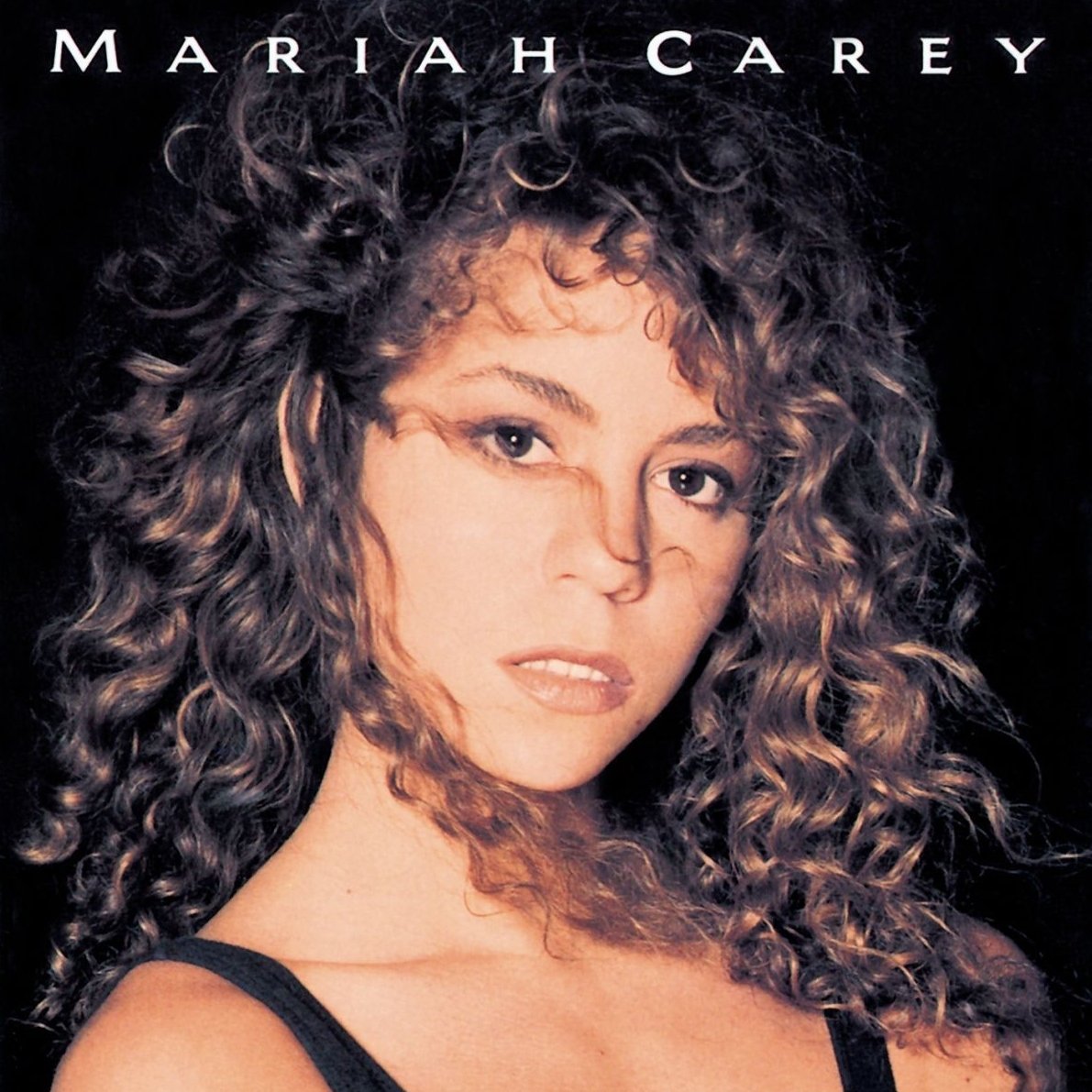
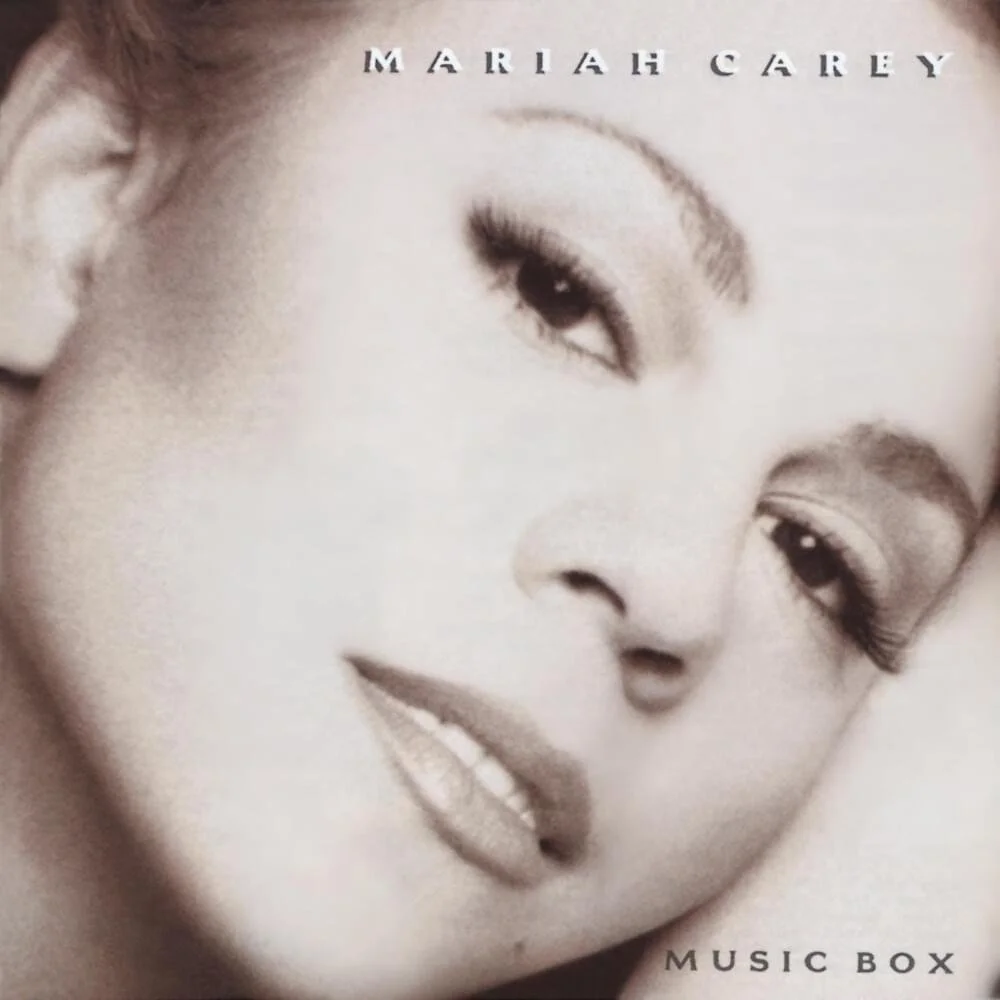
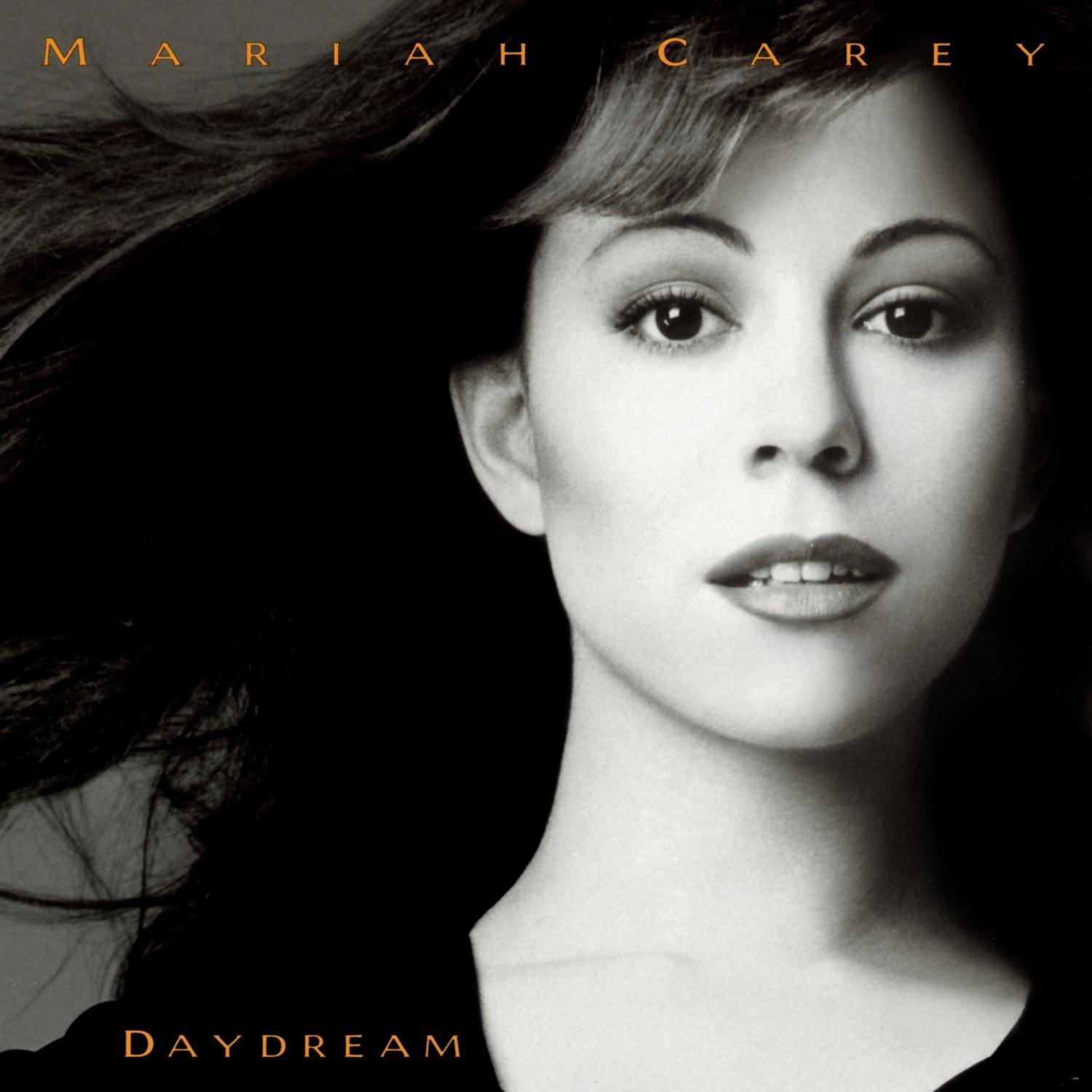
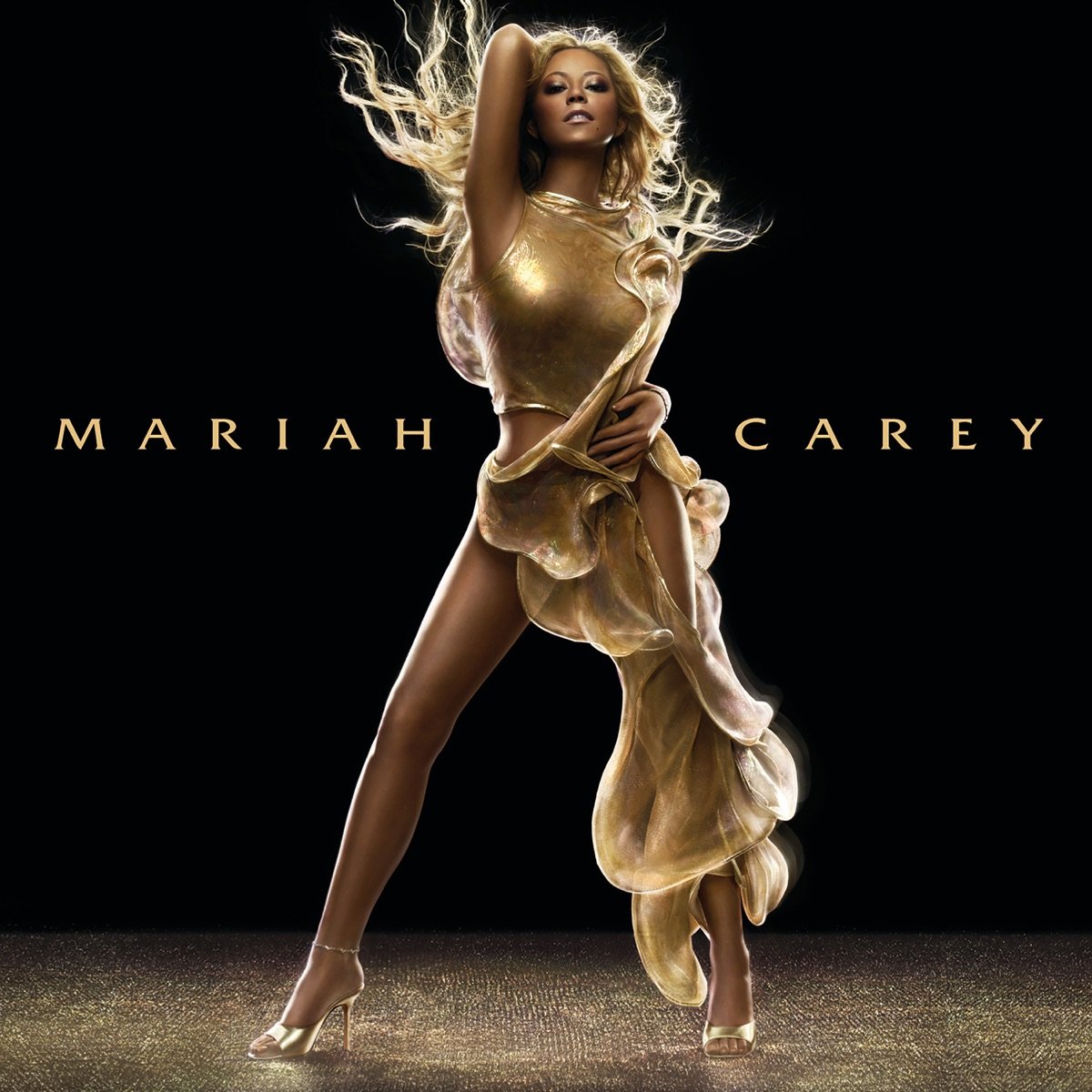
Enjoying this article? Click/tap on the album covers to explore more about Mariah Carey:
What a gift it is to have Mariah Carey in this world. The statement risks sounding enormous until Emotions is played again and its truth becomes difficult to dispute. She is one of the finest vocalists popular music has ever produced, but reducing her to that compliment has always diminished the achievement. She can articulate longing, rejection, faith, desire, and grief because she not only understands how to write them before she sings them; she has lived them.
At 35, Emotions is not simply evidence of how extraordinary Mariah Carey sounded in 1991. It is evidence of how much she already understood about the frightening business of loving another person. The whistle notes may have announced the phenomenon, but the words beneath them revealed the artist. The truth in that distinction is everything.
Listen:
