
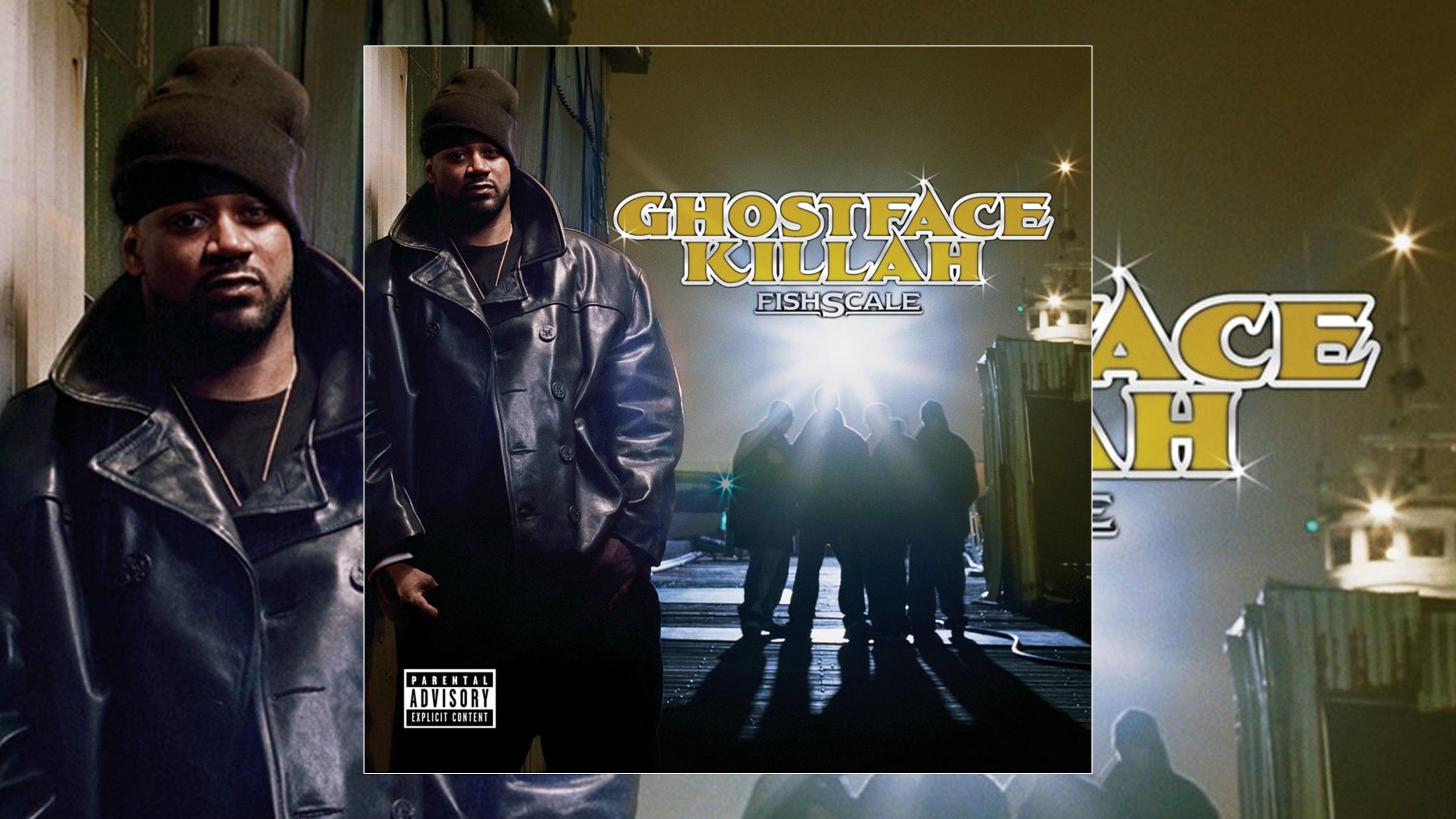
Happy 20th Anniversary to Ghostface Killah’s fifth studio album Fishscale, originally released March 28, 2006.
By the mid-2000s, Dennis “Ghostface Killah” Coles was the indisputable star of Wu-Tang Clan. He had led the legendary Staten Island-based collective back to the forefront at the beginning of the century with Supreme Clientele (2000), and in the years that followed, was pretty much the only member of the crew releasing music with regularity and to considerable acclaim.
During this time, Ghostface signed with Def Jam Records, a partnership that made all the sense in the world. Def Jam was still thought of as the definitive hip-hop label, home to larger-than-life titans. Ghostface fit that description perfectly. He was a flamboyant personality with an unorthodox rhyme style that exuded flyness. On Fishscale, his fifth full-length, released 20 years ago, he sounded like one of the genre’s most dynamic talents.
The Pretty Toney Album (2004), Ghostface’s first release with Def Jam, was pretty good, but didn’t completely click as expected. Occasionally, it seemed like the label was trying to fit a square peg into a round hole, pushing Ghost to be a multi-faceted chart-oriented rapper.
On Fishscale, the label seemed content with letting Ghostface be Ghostface. The few attempts at wider pop appeal feel authentic, rather than targeted. You get the stories of wild capers and unflinching intimacy, and he dazzles with his left-field non-sequiturs and provides emotional depth. It’s arguably closer to the album fans envisioned Ghostface creating when he first signed to Def Jam.
In some ways, Fishscale sounds like Ghostface’s version of Only Built 4 Cuban Linx… (1995). There’s a heavy emphasis throughout the project on dealing drugs and committing crimes, much like Raekwon’s famed debut album. It’s similarly sprawling, clocking in at nearly 65 minutes in length.
But it might be more accurate to say that Fishscale is the blueprint for Raekwon’s Only Built 4 Cuban Linx… Pt. II, with its varied production lineup providing a range of musical stylings for Ghost to utilize. Throughout the project, Ghost leans on established beatsmiths, underground icons, and some relative unknowns. It’s also the first Ghostface album not to feature any production contributions from RZA, still the unofficial leader of the Clan.
But despite the lack of RZA’s involvement, the album as a whole remains focused and was a decent commercial success for Tony Starks. It’s an album that feels deeper and more rewarding two decades after its release. There are a few bumps, but Fishscale also features some of Ghostface’s best material.
Listen to the Album:
Ghost immediately demonstrates his innate talent for creating some of the most bizarrely conceived crime stories ever recorded. On the album opening “Shakey Dog,” Ghost unfurls the story of him and his homie Frank attempting to rob a crew of Cuban drug dealers that he knows.
As always, it’s the flourishes and ancillary elements that keep the engine moving. I can’t think of any other emcee that would describe the tartar sauce stains on his S-Dots, give a back story to his 77-year-old shooter on deck, or note the delicious appearance of the Cubans’ meal when they arrive at the spot (“My stomach growling, man, I want some”). The Lewis Parker-produced beat, which samples the hectic climax of Johnny Johnson & The Bandwagon’s version of “Love Is Blue,” adds to the tension and atmosphere of the song.
Like most good Ghostface albums, Raekwon is a fixture throughout Fishscale, appearing on four different tracks. He helps further advance the tone of the project with “Kilo,” where the two “Pyrex scholars” give their insight into the appeal of the drug game, showing how the obsession can lead to not only untold riches but also prison time and death.
“R.A.G.U.” (aka Rae and Ghost United) is another hyper-realistic narrative track, as Ghostface and Raekwon commiserate with each other about their dealings with the same neighborhood knucklehead who always manages to stir up shit and cause trouble. Ghost goes at it alone on the brief “Crackspot,” spinning a yarn of him and the rest of the Wu cooking up a particularly potent batch of crack, and subsequently distributing it to a horde of addicts. The song features the return of Woodrow the Basehead (and his wife), who last appeared on Supreme Clientele.
Ghostface approaches “Be Easy,” the album’s Pete Rock-produced first single, differently than the rest of the album. It’s not really a club track, but maybe more of a party rocker. The call-and-response chorus is pretty dated (I cringe every time I hear, “N***as run around with fake frowns? Sell ’em on eBay!”), but Ghost is appropriately hyped during his verses. “Floss the ill robes since Criminology,” he raps. “Supreme Clientele, put the world on top of me / Yo babe, hurry up with those collard greens / I represent S.I., ain’t as wild as me.”
“Back Like That,” the album’s second single, is the type of song that only Ghostface could pull off. Ghost has always professed a love for R&B music and has incorporated elements of contemporary R&B into many of his albums. “Back Like That,” produced by Xtreme, is one of the most successful blends of the two genres to appear on a Ghostface album. It resulted in Ghost’s most successful hit record.
Accompanied by then Def Jam hot prospect Ne-Yo, Ghost laments the loss of his girl, who after ending their relationship due to Ghost’s infidelities, has begun shacking up with one of his sworn enemies. He expresses pain, betrayal, regret, and sadness over the course of two verses. He settles on bitterness, rapping, “Honey, look, I’m a monster don, I do monster things / That’s why I put your ass under my arm / Fucking with him can bring bodily harm / And where you gonna hide in the streets when the body is gone?”
Unfortunately, Fishscale was another of Ghostface’s albums that was hindered by sample clearance issues. “The Champ” is the most prominent example. The leaked version of the Just Blaze-produced track was an absolute banger, with Ghostface kicking a pair of energetic verses centered littered with references to boxing, MMA, and other pugilistic arts. The beat was vintage mid-’00s era Just Blaze heat, as he sampled sped-up horns and guitars from Sharon Cash’s version of “Fever.” Throughout the track’s choruses, Just added in snippets of vocals from films like Rocky III and Let’s Do It Again.
However, the aforementioned clearance issues forced Just to redo much of the track. He attempted to recreate the song’s original beat through live instrumentation. Using vocal effects (a la Jay-Z’s “PSA”), Just attempts to do his best impressions of Burgess Meredith, Mr. T, and Jimmie Walker during the song’s various breaks. You can respect the effort, and Ghost’s verses are still fire, but the version that made the album is missing the original kick.
In the months before Fishscale’s release, it was revealed that the album would feature production from MF DOOM. The pair had graced the cover of Mass Appeal, promising a project together and disclosing that Ghost had heard a beat tape from the Metal Faced Villain and was going to rap over some it on his forthcoming album. This was music to my backpacker ears, and I salivated at the promise of two of my all-time favorites making music together.
However, the execution, at least on Fishscale, was a bit mixed. Ghost ended up choosing to use beats for the project that had already been heard a few years before on DOOM’s Special Herbs instrumental series. Heck, a number of them had already been rhymed over by other artists.
Which isn’t to say that the songs are bad; a few are some of the album’s stronger entries. Ghostface spazzes out on “Clipse Of Doom,” which functions as Fishscale’s version of “Nutmeg.” The track, featuring a heavy guitar sample from Gino Vannelli’s “Apaloosa,” was used by Megalon of the Monster Island Czars in the early ’00s. Ghostface very much makes it has own, unleashing a stream of outlandish rhymes and boasts. “That’s right y’all, if a rap n***a say my name Imma fight y’all, fuck a state life charge,” he raps. “My predicate status? Irrelevant / My man got the big rap sheet that’s outweighing two elephants.”
The surreal “Underwater” is another DOOM-produced success. Over a serene flute and muted vocals, Ghost describes journeying to a very strange place beneath the seas. He mixes comical images, like mermaids with Halle Berry haircuts and Spongebob Squarepants rolling in a Bentley, with Islamic symbolism and iconography.
Another DOOM-produced track doesn’t fare as well. “9 Milli Bros.” is billed as the return of the core nine Wu-Tang Clan members (including the deceased Ol’ Dirty Bastard), but the result is lacking. The track seems cobbled together, as ODB’s posthumous vocals don’t quite fit, Inspectah Deck sounds sick/hoarse, and many of the other verses don’t sound properly down. There’s always been a level of imperfection to the best Wu-Tang Clan tracks, but “9 Milli” sounds slapdash. The Monsta Island Czar’s “1, 2, 1, 2,” which utilizes the same beat, is superior by a considerable margin.
Probably the best Ghost/DOOM collaboration intended for album, “Charley Brown,” was also sidelined due to sample clearance. The original version of the track first appeared on sampler for the album, with Ghost spraying rapid-fire rhymes over a sample of Caetano Veloso’s “Alfomega.” Another version of the song leaked later, with Ghost kicking the same verses over a sample of Soho’s “Hot Music,” but it lacked the energy of the uncleared version.
Fishscale also features collaborations with the then recently deceased J Dilla. The brevity of both of these songs serves them well. The beats from each were taken from Dilla’s Donuts (2006), released almost two months earlier. Since Donuts was essentially a beat tape, and there was a narrow period of time between both albums’ releases, neither of these tracks seem out of place.
On “Beauty Jackson” (“Hi” from Donuts), Ghost is struck by the beauty of a woman he meets at a bus stop. Ghost describes the all-too brief encounter in the most minute details, from the birthmark on her right cheek to her plum-colored nails. “Whip You With A Strap,” originally the aptly titled “One For Ghost,” is another strong entry. Ghost takes the Luther Ingram vocal sample literally, as the song is a dedication to the corporeal punishment he received as child. Even if beatings with a belt aren’t quite your thing, the overall theme is the strong family and community bonds Ghost experienced during his formative days.
Enjoying this article? Click/tap on the album covers to explore more about Ghostface Killah:
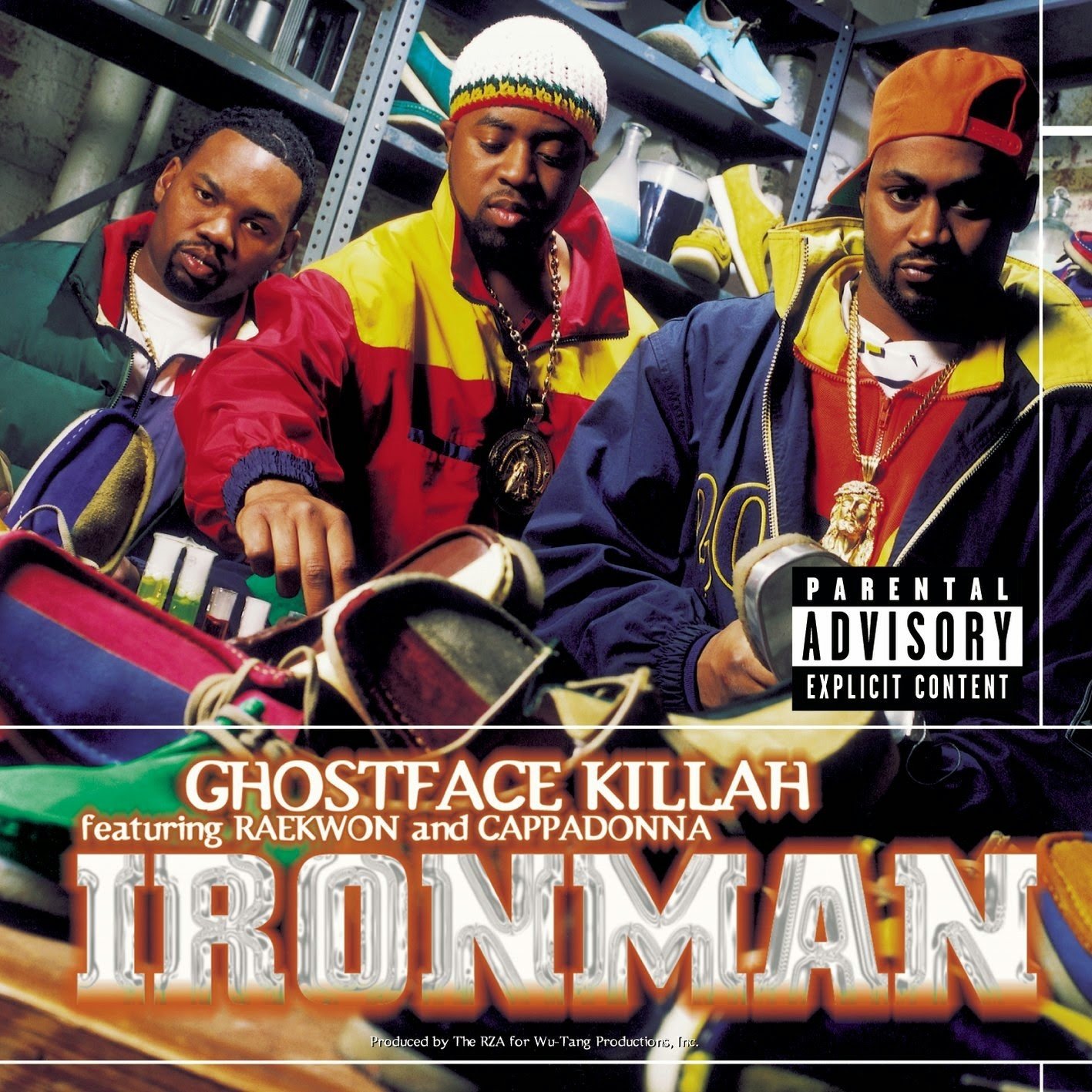
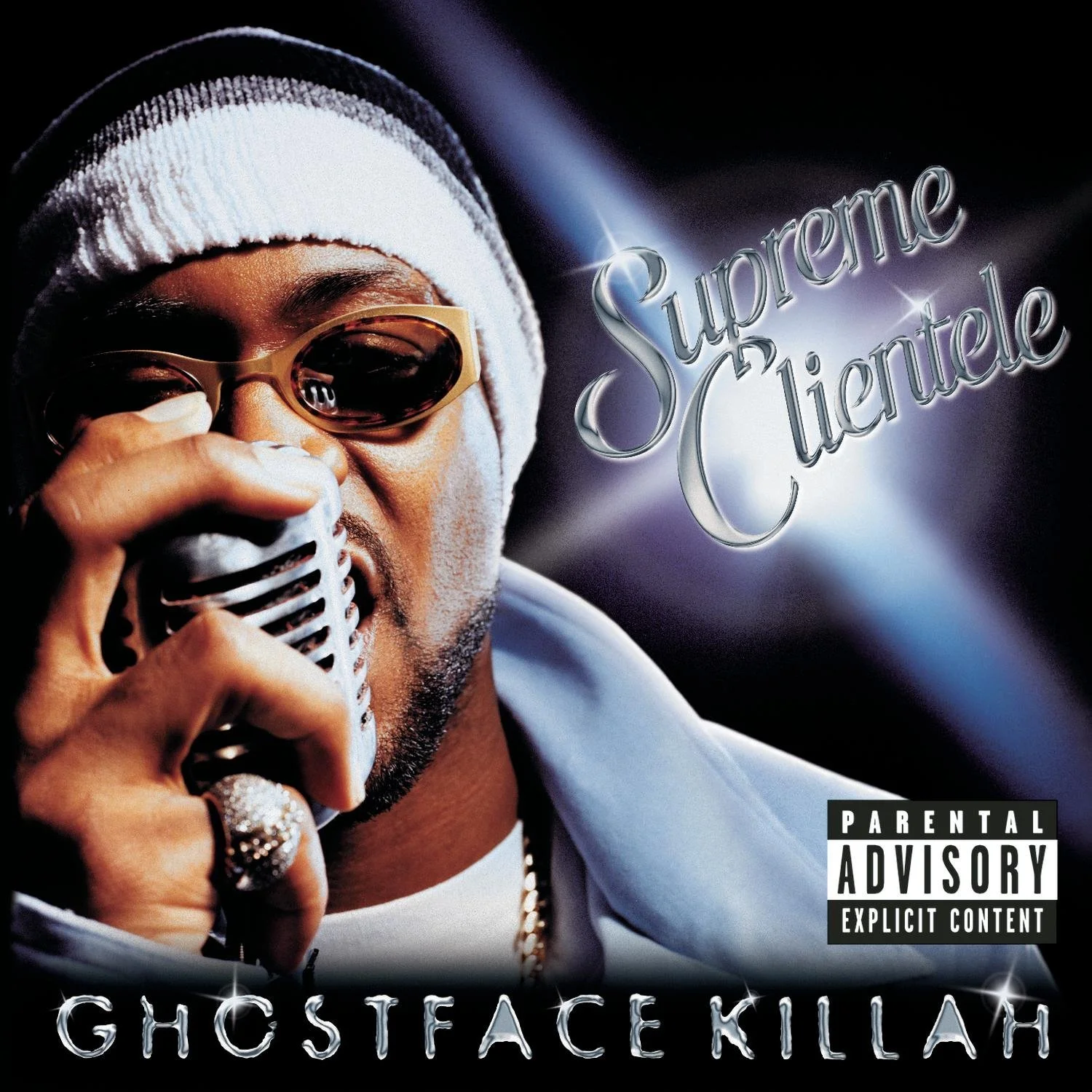
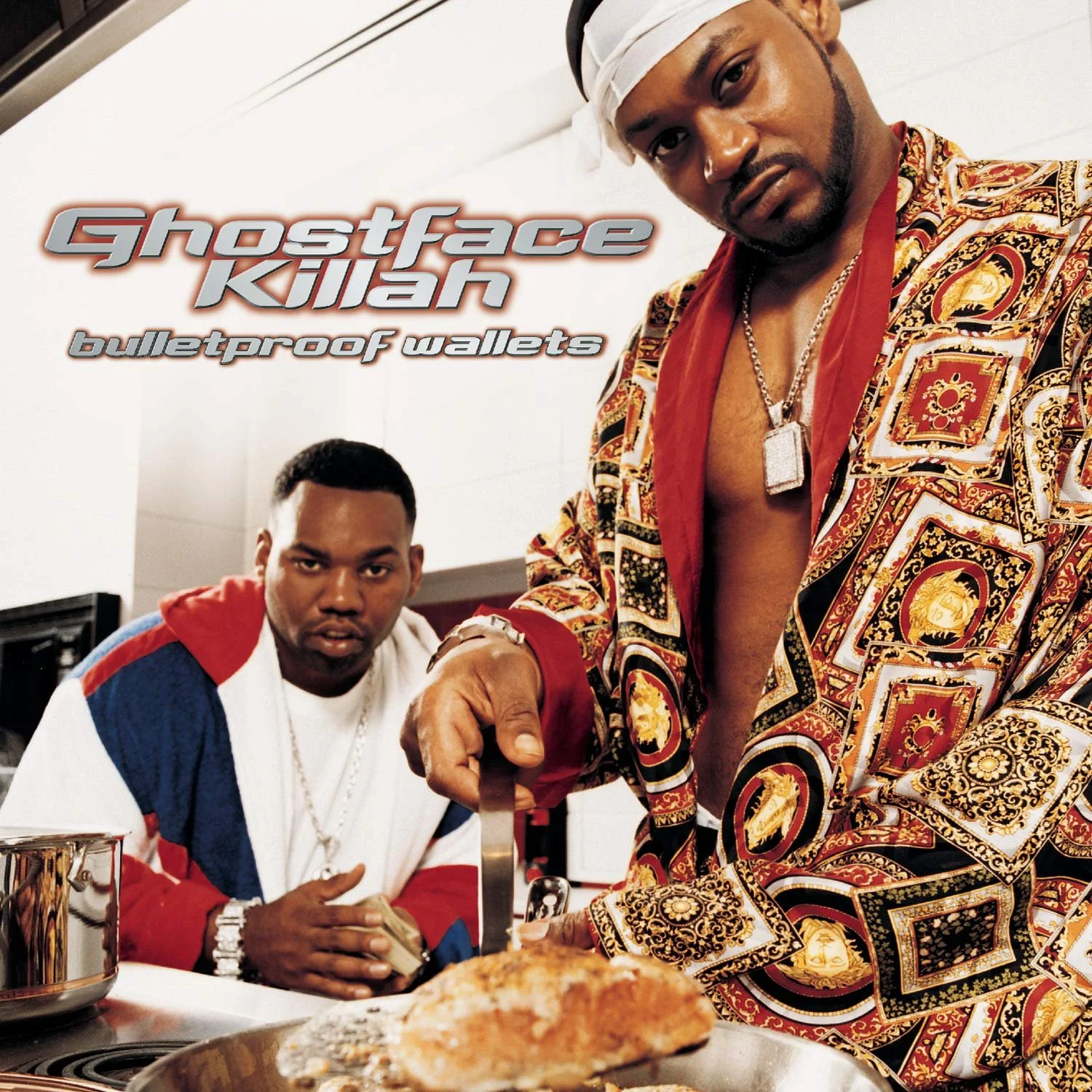
“Dogs Of War” is Fishscale’s other, better posse cut, as Raekwon, Cappadonna, Sun God (Ghostface’s son), and Trife Da God all join Ghostface in dropping rugged rhymes over a sample of Sly and The Family Stone’s “Family Affair.” “Big Girl” is another exercise in Ghostface’s habit of rhyming over entire ’70s soul songs. This time he chooses “You’re A Big Girl Now” by The Stylistics. “Big Girl” isn’t “Holla” levels of awesomeness, but it’s still enjoyable. Ghostface recounts running into a crew of beautiful women who are addicted to cocaine, and promises to help to care for them if they get off the nose candy.
Fishscale ends with “Momma,” Ghostface’s heartfelt dedication to single mothers. He chronicles the pain and hopelessness that can befall women living in poverty, struggling to support their children by themselves. He envisions himself as a guardian angel to women who’ve been abandoned by the fathers of their children and often their own birth fathers. An earlier incarnation of the song features Keisha Cole’s vocals on the chorus, but Megan Rochell ended up appearing on the album version.
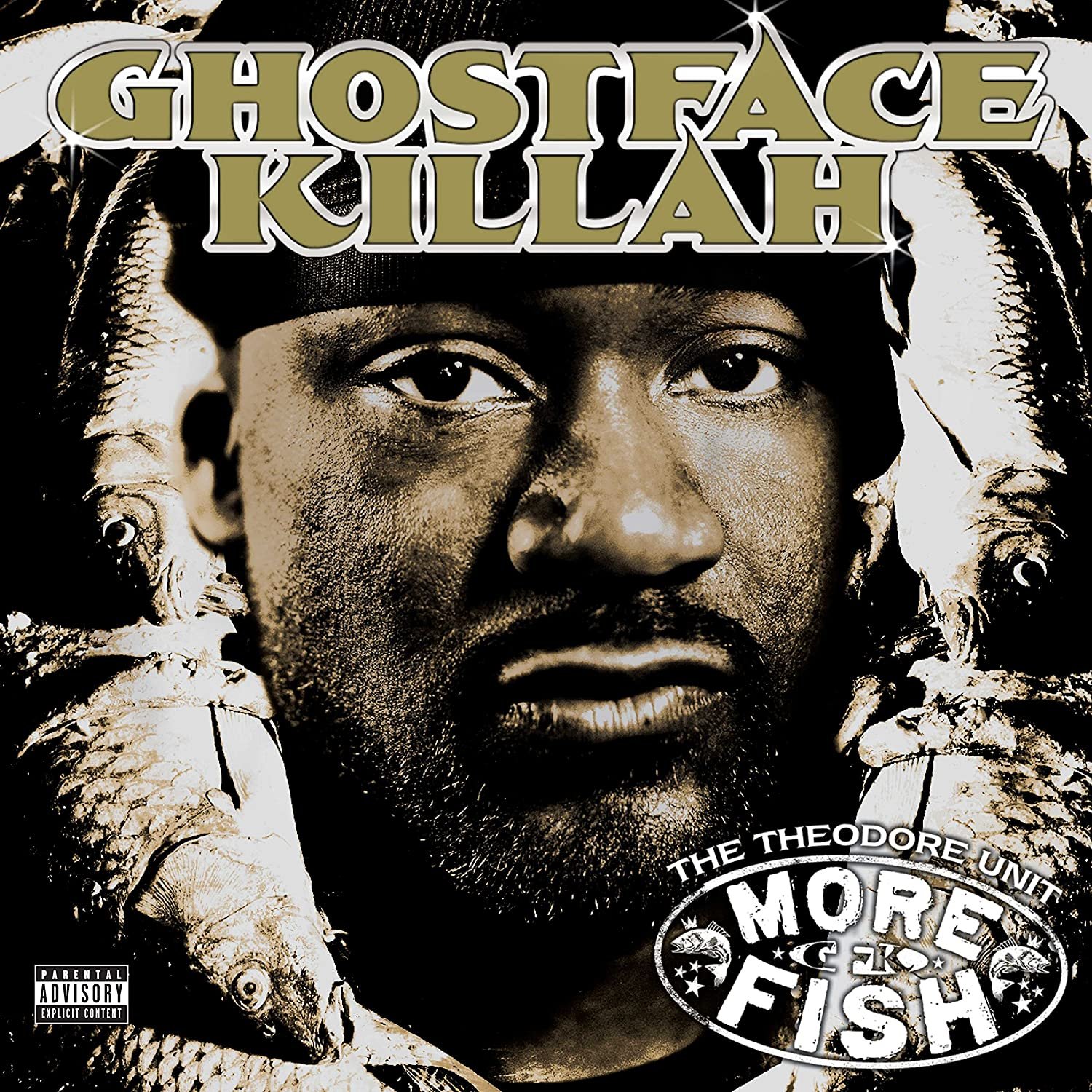
Ghostface would make extensive use of the Fishscale sessions throughout 2006 and into 2007. Towards the end of the year, Def Jam would release More Fish, another album of tracks recorded during the Fishscale sessions. Later in 2007, Ghost would follow-up with Big Doe Rehab, which likely featured at least some tracks recorded during those same sessions.
For whatever reason, much of Ghostface subsequent work is missing the passion present on Fishscale. Though the album was a reasonable success, it wasn’t the smash commercial hit that Ghostface and Def Jam were hoping for. And even though in 2026 most artists would kill for close to 400,000 in sales, in the mid-’00s, people were hoping for more.
Fishscale still holds up as a quality album, and was the last laser-focused project by Ghostface for quite some time. After a series of work-for-hire styled jobs, he finally seems serious about getting back to what made him an all-time great. I’m personally hoping that he’s able to re-harness the type of energy that’s present on albums like Fishscale and apply it to whatever he’s working on now.
Listen:
