
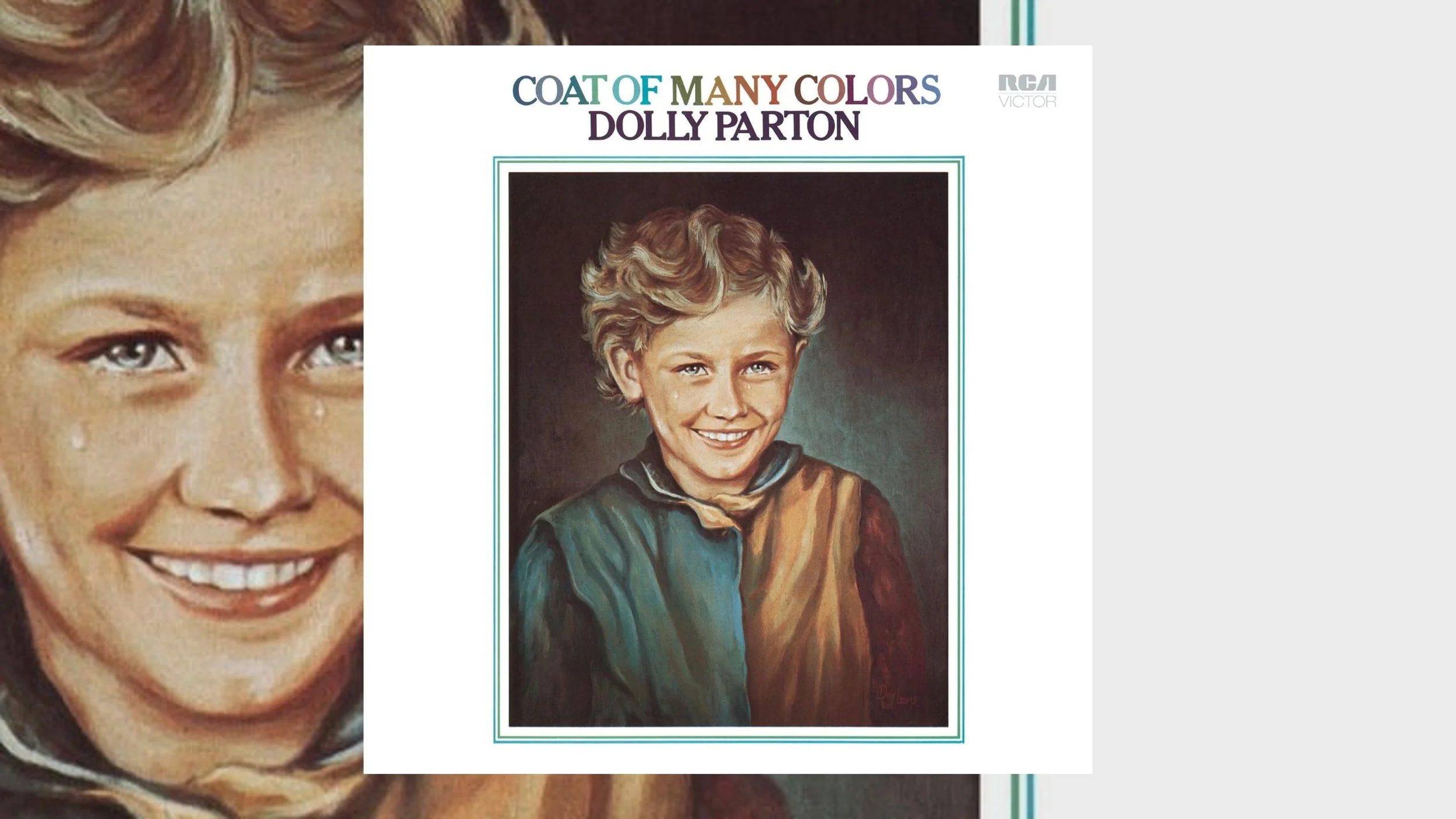
Happy 55th Anniversary to Dolly Parton’s eighth solo studio album Coat of Many Colors, originally released October 4, 1971.
Writing about Coat of Many Colors at 55 was always going to be personal. I simply never imagined I would be writing about it in a world without Dolly Parton.
Her death has altered the emotional architecture of listening to her music. For me, that alteration is particularly difficult to articulate. Across many years and many articles, I have written about what Parton meant to me, not simply as an artist, but as a figure who occupied an almost mythical place in my life. Her music, her image, her humor and that magnificent refusal to become anything other than herself provided sanctuary for a kid still trying to understand whether being different would eventually be okay. Somehow, Dolly made it all seem possible. She still does.
Released in 1971, Coat of Many Colors is perhaps one of the purest explanations why.
Parton was already a recognized country artist, television personality and collaborator with Porter Wagoner when her eighth solo album arrived. Yet these ten songs reveal something far more consequential than celebrity taking shape. They document a songwriter discovering that the details she might once have been encouraged to conceal—poverty, humiliation, faith, complicated women, Appalachian life—were precisely where her greatest artistic power resided.
The title song remains extraordinary because Parton refuses to romanticize deprivation. Her mother makes a coat from scraps while telling her daughter the Biblical story of Joseph, transforming material scarcity into something imaginative and precious. The child walks proudly into school only to encounter cruelty. Parton does not rewrite that cruelty retrospectively or pretend poverty was somehow noble. Instead, “Coat of Many Colors” locates dignity in the love that existed despite it.
This distinction is incredibly important.
Parton once described “Coat of Many Colors” as her favorite among the thousands of songs she wrote, and its significance now extends well beyond country music. It became a children’s book, inspired screen adaptations and ultimately embodied an idea threaded throughout her life: that circumstances imposed upon you need not determine your estimation of yourself. The song's survival across generations also feels inseparable from Parton’s later philanthropic work with children and literacy. The woman who once wrote about a child being ridiculed for what she wore would spend decades insisting that children deserved access to possibility.
Listen to the Album:
Musically, Coat of Many Colors understands that these stories require space. Recorded during the Nashville Sound era, including sessions at the historic RCA Studio B, the album carries the polish associated with Parton’s early RCA work without allowing instrumentation to overpower her language. Acoustic textures, country rhythm sections, restrained backing vocals and flashes of steel guitar provide structure, but Parton remains unmistakably at the center. The production surrounds rather than disguises her.
“My Blue Tears” demonstrates how effectively she could make melancholy feel almost weightless. Its graceful melodic movement sits against emotional abandonment, establishing one of Parton’s great songwriting contradictions: sorrow need not announce itself loudly to cause damage. Her continued return to the song, including later recordings connected with Linda Ronstadt and Emmylou Harris, suggests that Parton herself understood there was something unresolved within it.
Elsewhere, her humor is considerably sharper. “Traveling Man” turns a bizarre romantic triangle involving a woman, a salesman and her mother into delicious country theatre. Beneath its comic audacity sits Parton’s instinctive understanding of narrative economy. Characters are presented almost fully formed. Motivations are established quickly. A few minutes become an entire domestic scandal.
“Early Morning Breeze” reveals another Parton altogether. There is a delicacy to its observation of the natural world that anticipates the autobiographical intimacy she would explore more fully on later recordings. Parton’s relationship with the mountains was never merely geographic. Nature in her writing could become memory, spirituality, sensuality and emotional refuge, sometimes simultaneously.
Porter Wagoner’s contributions, including “If I Lose My Mind,” “The Mystery of the Mystery,” and “The Way I See You,” situate the album within the professional partnership that helped introduce Parton to a national audience. Yet listening to the record now, it is impossible not to recognize a writer steadily moving beyond the structures surrounding her. Her own songs possess a specificity that cannot be manufactured. Their author knows where they come from and, in turn, so do the songs.
“She Never Met a Man (She Didn’t Like)” has an earthy, mischievous intelligence, while “Here I Am” reveals the emotional generosity that would become another Parton signature. She later revisited the latter with Sia decades afterwards, but its original appearance already contains the essential proposition: love as presence rather than possession.
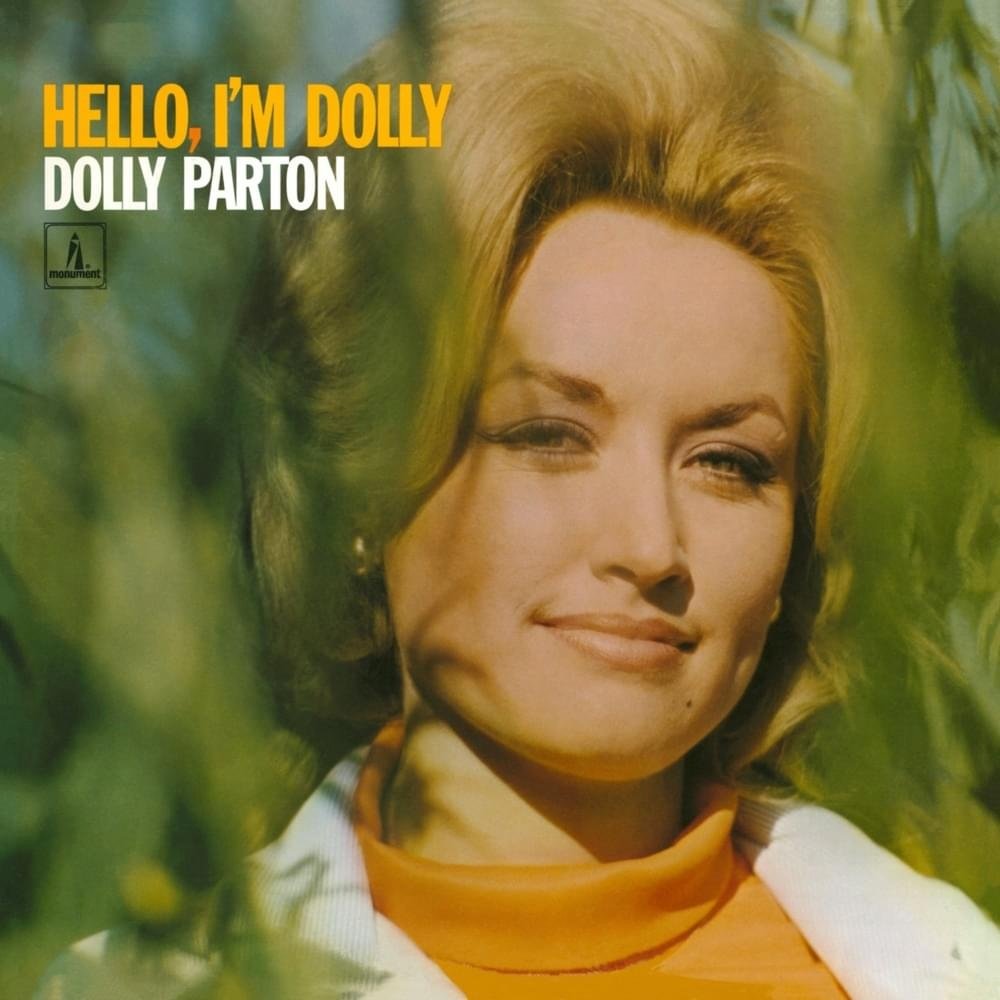
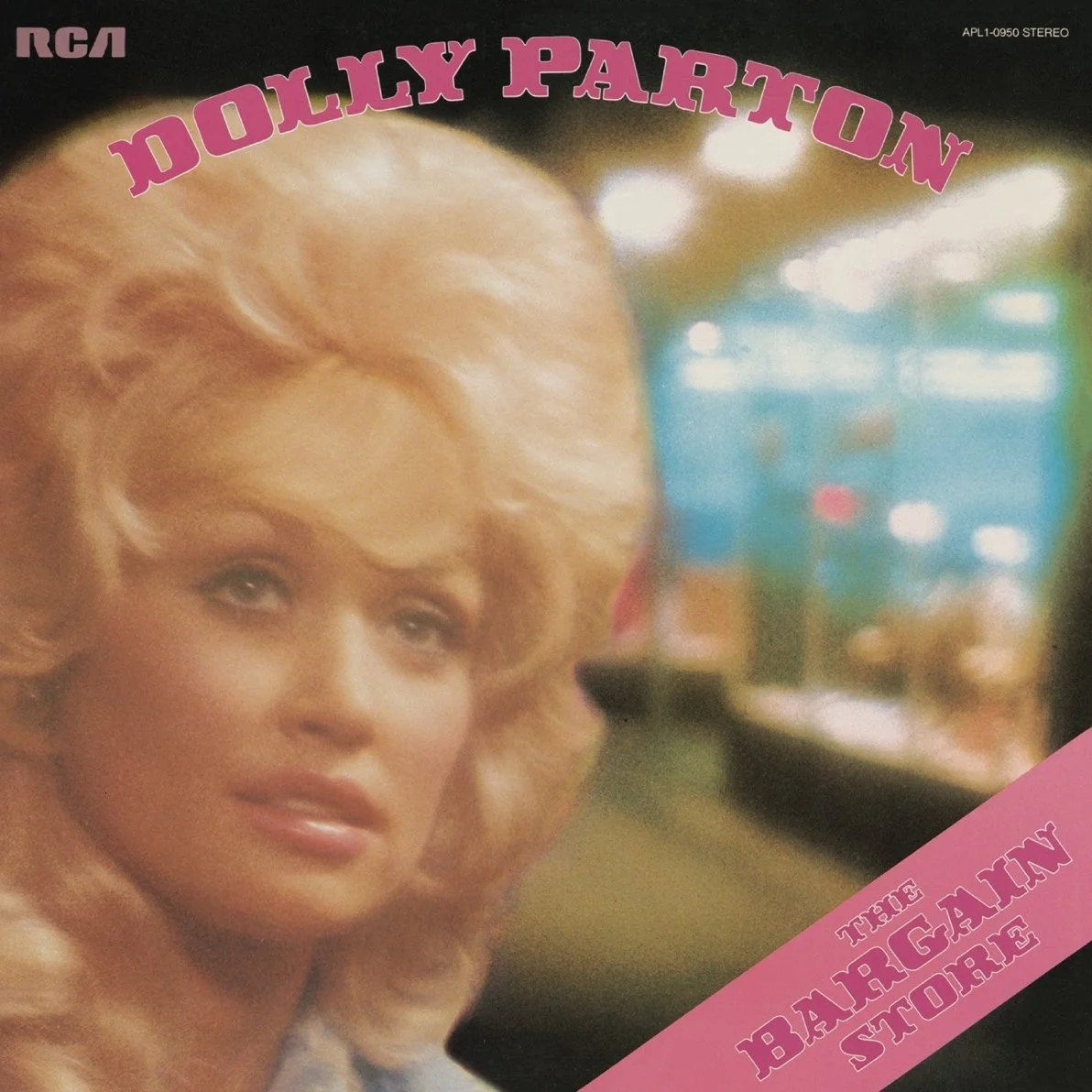
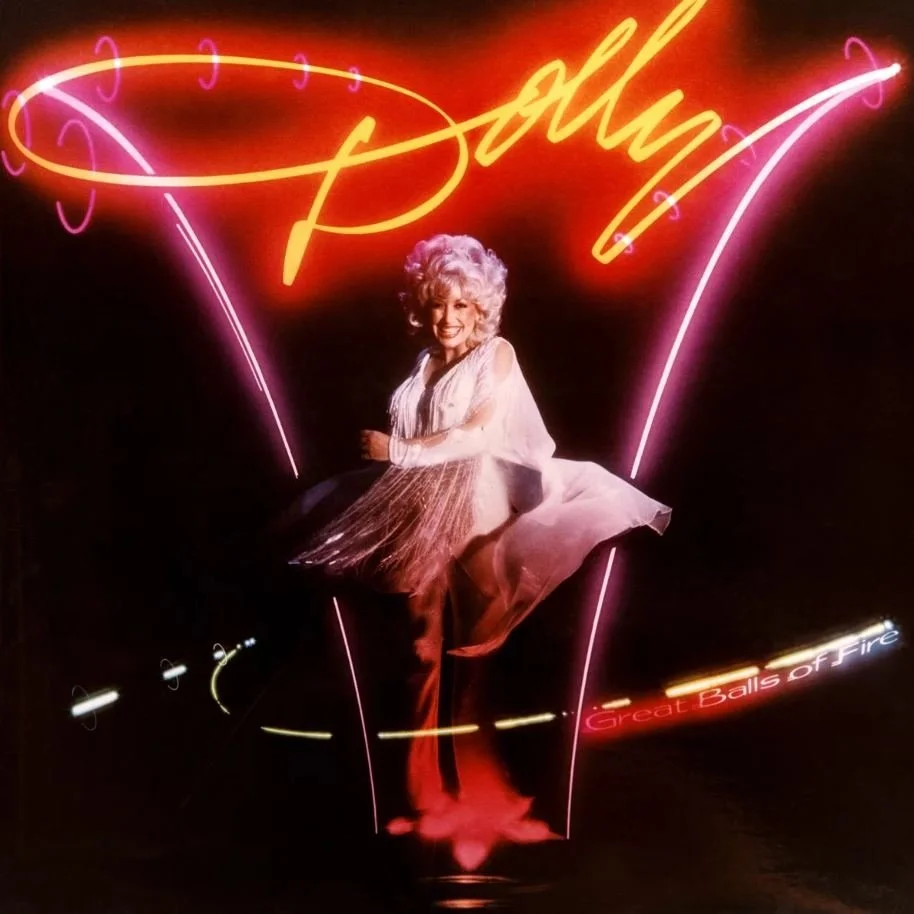
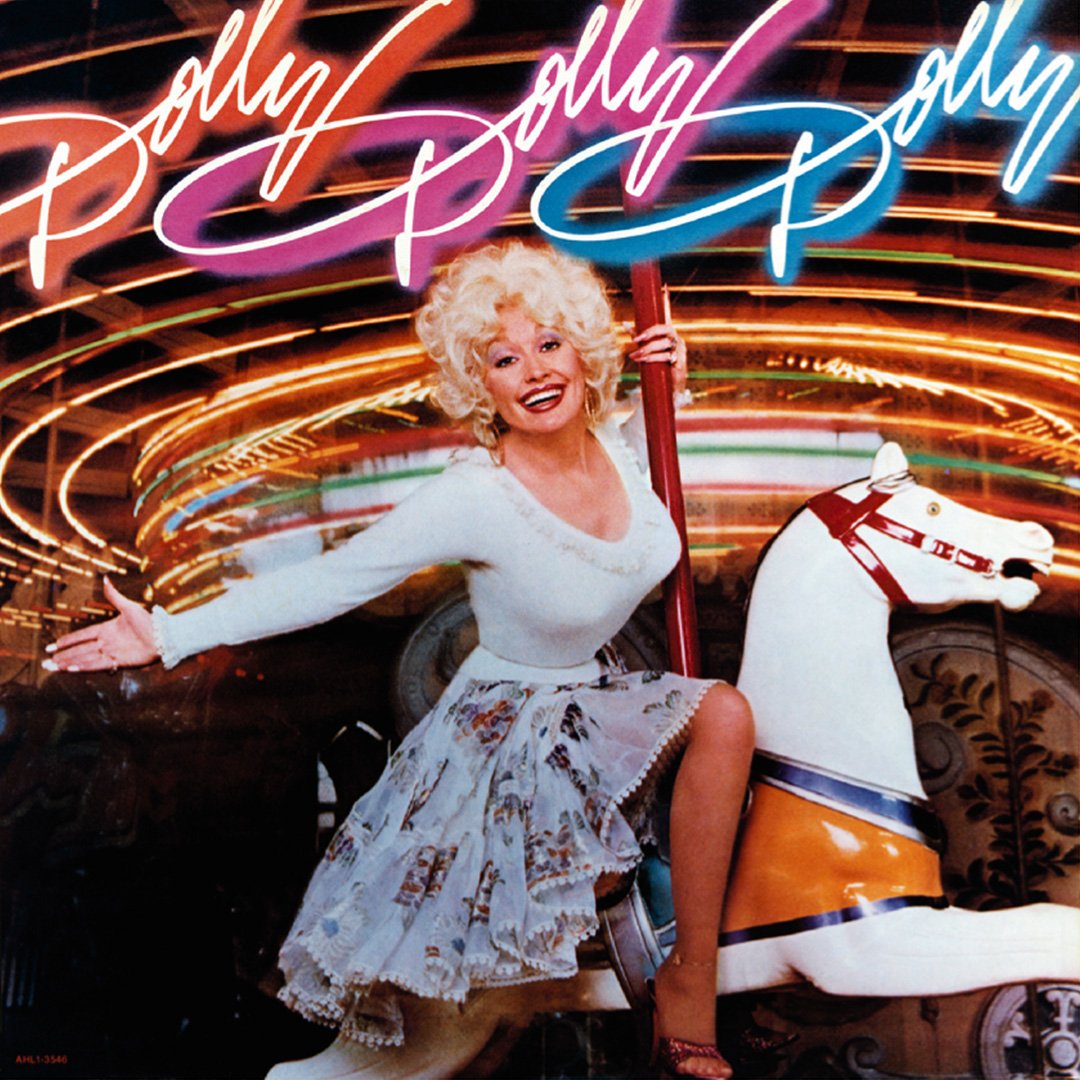
Enjoying this article? Click/tap on the album covers to explore more about Dolly Parton:
The closing “A Better Place to Live” allows that generosity to breathe into something approaching a philosophy. Parton imagines human behavior improved by kindness and understanding without sounding naïve about either. That ability became central to her cultural identity. She could communicate across class, geography, generations, and vastly different audiences because she rarely, if ever, mistook compassion for weakness.
That may be what feels most devastating about Coat of Many Colors now.
Since Parton’s death, there has understandably been discussion of the records sold, awards won, films made, businesses built and extraordinary philanthropic legacy left behind. Those achievements are enormous. Yet reducing Dolly Parton to accomplishment misses the peculiar intimacy of her cultural importance. Millions of people felt they somehow knew her. More importantly, many felt that she might have understood them.
Fifty-five years after Coat of Many Colors, the little girl in the handmade coat no longer belongs only to Dolly. She belongs to anyone who has entered a room wearing something the world decided was reason enough to diminish them. Parton spent the rest of her life turning that childhood wound into generosity rather than bitterness.
I still cannot quite comprehend that she is gone. Perhaps I am not supposed to yet.
But I can return to this album and hear the woman who taught a younger me something I desperately needed to know: what others ridicule in you may eventually become the very thing through which you understand your worth.
Dolly knew that before most of us did, leaving behind a lesson we are all still learning.
Listen:
