
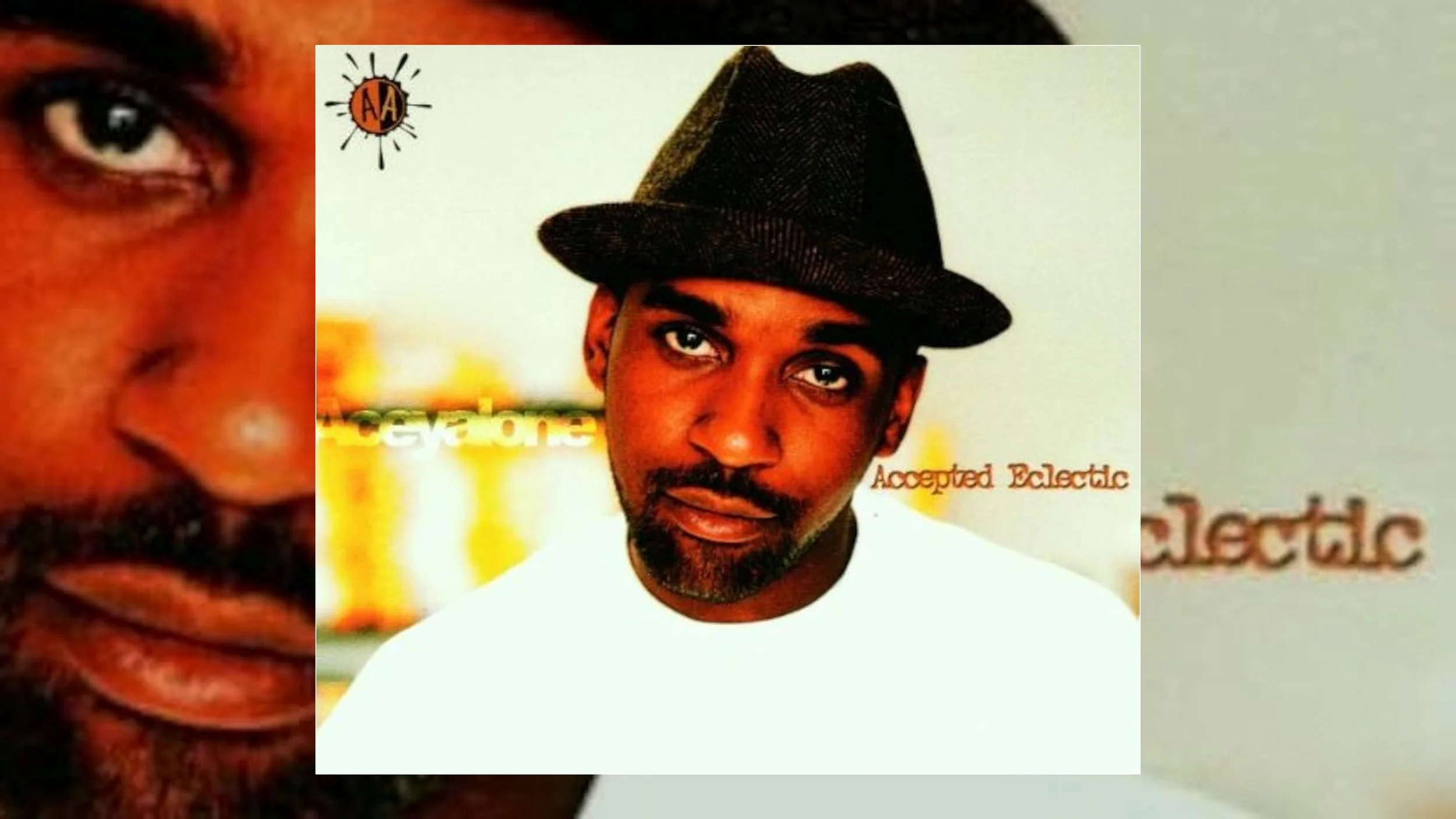
Happy 25th Anniversary to Aceyalone’s third studio album Accepted Eclectic, originally released March 6, 2001.
Eddie “Aceyalone” Hayes has made a career of being inventive. As a member of Freestyle Fellowship, he helped create the Los Angeles underground scene, pioneering a whole new approach to rapping that couldn’t be constrained by traditional structure. The group, and the like-minded artists that attended the open mics held at the Good Life Café and Project: Blowed, saw hip-hop expression as jazz, and positioned themselves as the Ornette Colemans and Cecil Taylors of the era.
Accepted Eclectic, released 25 years ago, is Aceyalone’s third album. It’s also an apt description of his rhyme persona. He is certainly eclectic, perceiving and implementing a unique vision of what hip-hop can and should be. But by the early ’00s, his peers accepted and embraced his role in the genre’s development, as he brought about the expansion of the music’s boundaries.
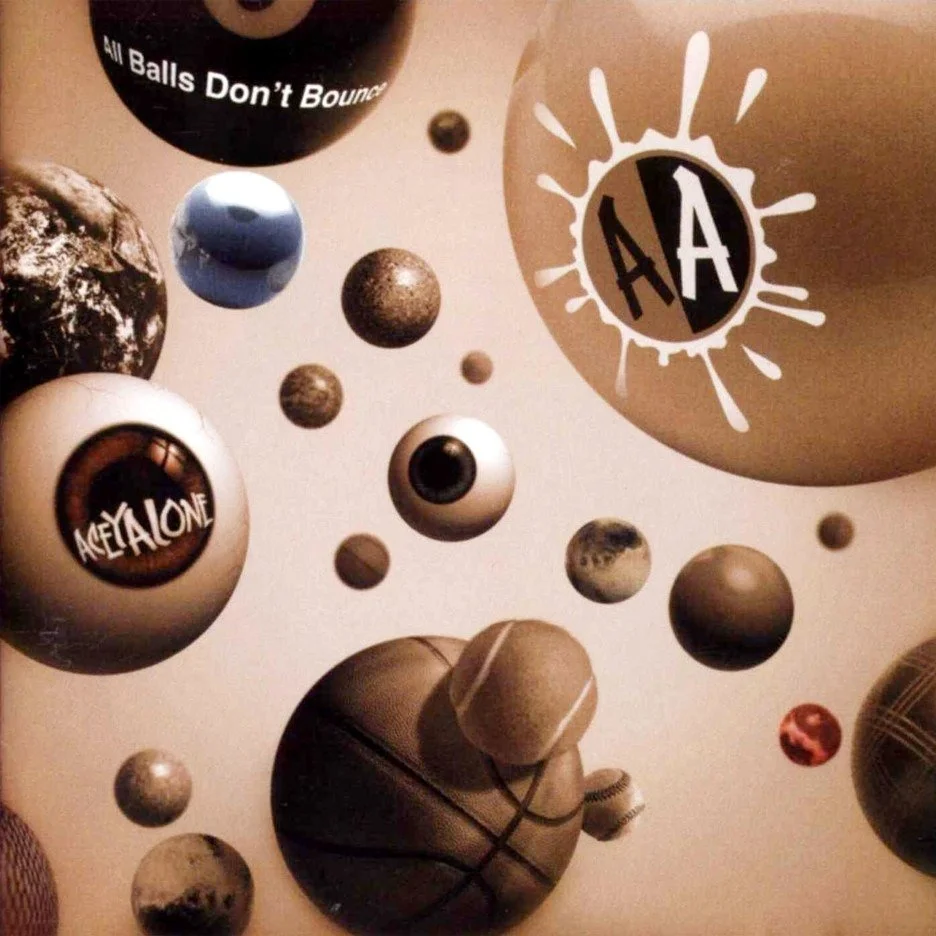
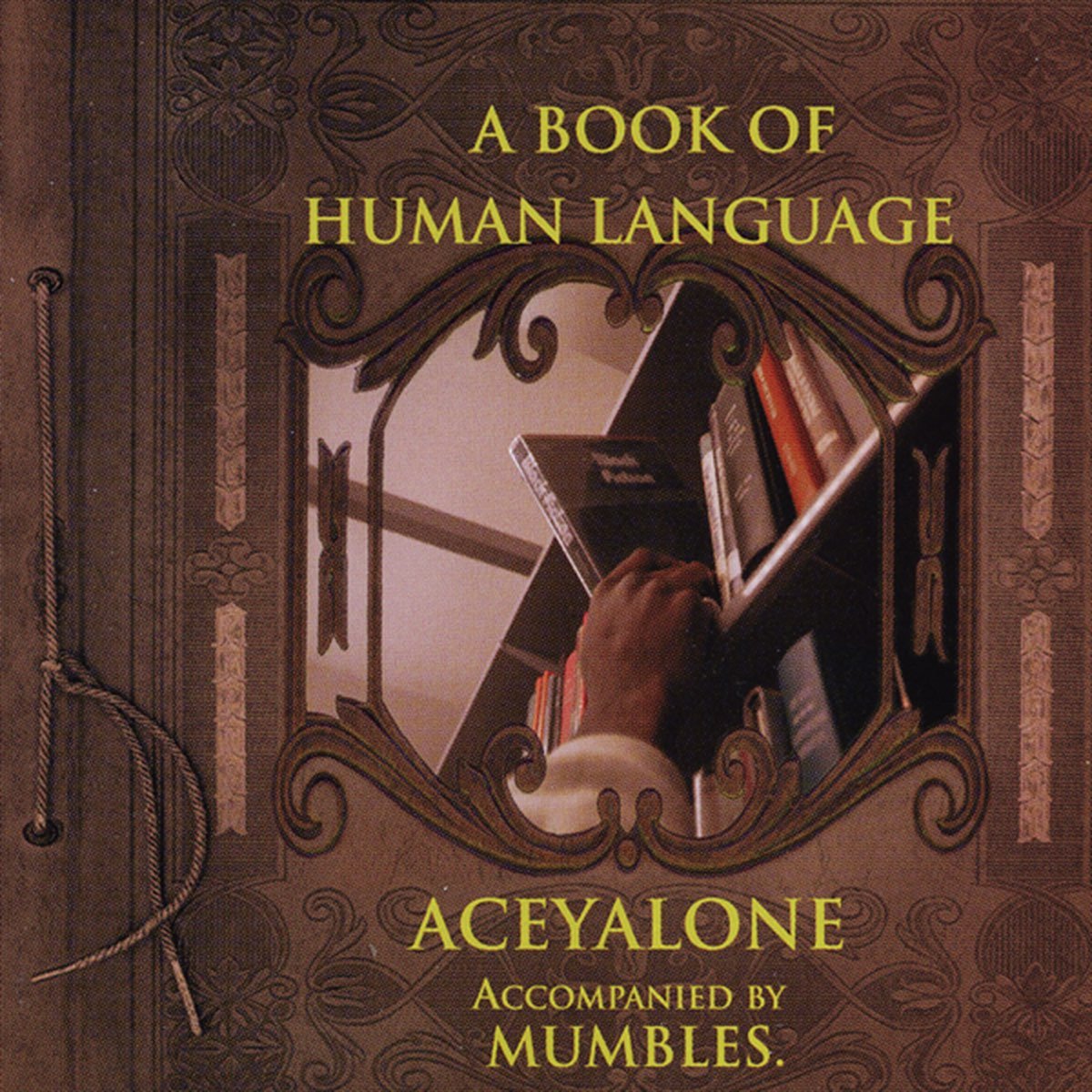
I would hesitate to call Accepted Eclectic “conventional” by any stretch of the imagination, but the album doesn’t go nearly as far left of center in its execution as his previous efforts. All Balls Don’t Bounce (1995) featured wall-to-wall complex flows and jazz-soaked beats in odd time signatures. A Book of Human Language (1998) highlights Aceyalone exploring broad concepts over dense, complicated tracks by producer Mumbles.
Accepted Eclectic is more straightforward in its execution, especially musically. Frequent collaborator Fatjack lends his production skills to four songs, but otherwise Aceyalone reaches out to work with then-up-and-comers like Evidence and Joey Chavez. They’re also joined by largely unknown beat-makers like Nick Seil and SingLie, neither of whom appear to have worked on anything else beyond this album.
Overall, Accepted Eclectic is largely uncompromised. Aceyalone forges his own path, unfettered by expectations or aspirations of commercial success. It results in one of the stronger albums in his discography.
Listen to the Album:
Aceyalone is in straight-ahead battle mode on “Rappers, Rappers, Rappers.” The song originally appeared on the Strength Magazine Presents: Subtext compilation (1999), but starts Accepted Eclectic off on the right note. Evidence expertly chops up a few piano notes into a bouncy track for Acey to lay into dozens of types of rappers, from “love-to-follow” to “blind-to-what’s-going-on-behind.” “You wanna go around the world, but you got a half tank,” he smirks. “You wanna paint a perfect picture but ain’t got no paint.”
Acey continues in this similar vein on tracks like “Golden Mic.” He targets other emcees who have stolen his rhyme styles, employing a bouncy, often double-time flow over an upbeat track by Fatjack. “Serve and Protect” is the most straightforward battle-oriented track, as Acey delivers sharp punchlines and twisting rhyme-flows with expert precision. “I’m on the level where I meditate and levitate,” he raps. “And dedicate every awaken day so I can celebrate.”
Though Aceyalone is more than happy to display his unorthodox rhyming skills and techniques throughout Accepted Eclectic, he frequently emphasizes his dedication to his craft throughout the album. He speaks with a level of serious conviction throughout the Joey Chavez produced “Alive” in a way that inspires. “I’m a pure bred with the paper and the pencil lead,” he raps. “I hit the nail on the head—off the head / I got a cold way of flowing, an old way of knowing / I’m a Boeing 747 in the wind, blowing.” “I Can’t Complain” plays like a sequel of sorts to the song, with Acey describing himself as a world-weary warrior, stalking the streets of Los Angeles “trying to dodge the rain” and protecting the authenticity of hip-hop music.
With the album’s title track, Aceyalone creates a song as weird and imaginative as anything that he’s ever recorded. The beat, produced by Nick Seil, sounds like something lifted from the score of Fantasia, filled with flutes, woodwinds, strings, and chimes. I doubt there are many emcees now or then who would sound as good as Aceyalone as he skips across the track, sounding as nimble as a ballet dancer. “I am what you call a psycho-analytical,” he boasts. “Critical thinker of the formulas we all need.”
Aceyalone may develop unorthodox rhyming styles, but he often keeps his subject matter pretty relatable, and especially so on Accepted Eclectic. He stresses the importance of maintaining personal space on “Five Feet,” and warns of the perils of imbibing too many controlled substances or too much liquor on “Master Your High.”
“Bounce” presents a sharp contrast between subject matter and musical backdrop, as Acey delivers a first-person account of a toxic relationship over a buoyant track. Acey describes how he and his girl have allowed their relationship to sour, ultimately conveying regret and frustration that they didn’t forgive each other early on and are now unable to do much besides antagonizing each other.
Enjoying this article? Click/tap on the album covers to explore more about Aceyalone:
“Hardship” is a throwback to Aceyalone’s approach on A Book of Human Language, as he explores the overarching concept of hardship, and how it’s shaped his life. He delves into how adversity has made his life difficult, but has also made him appreciate his success more. “Some people relate but they don’t understand the words,” he raps. “Some people can climb mountains but can’t jump curbs.” Evidence produces a suitably murky track, constructed from a haunting organ and horn wails.
Acey does occasionally collaborate with some of his fellow Project: Blowed O.G.s. Abstract Rude shows up on “B-Boy Real McCoy,” with the two trading verses over a bottom-heavy bassline and keyboards evocative of a mid to late ’80s jam. “Microphones,” with Freestyle Fellowship member PeAce (R.I.P.), is a free-flowing rap bonanza. Evidence does a masterful job flipping the jazzy basslines and keyboard licks throughout the song, especially as each emcee wraps up the song by dropping spontaneous, off-the-head verses.
Aceyalone also puts his own spin on a hip-hop classic with “I Got To Have It Too.” Fatjack reconstructs the beat from the track that introduced Ed O.G and Da Bulldogs to a global audience, slightly speeding up the backdrop. Acey draws inspiration from some of the original lyrics, but still repurposes the song’s message. While Ed O.G’s original served as his artistic mission statement and gave insight into his Roxbury, Boston upbringing, Aceyalone turns that into an ode to staying motivated. He explains his drive, deciding to forgo living illegally in favor of achieving success through his rhyming skills. He bemoans others who’ve yet to get their priorities in order, rapping, “So while you’re sitting around the house getting wasted / You know you’re not using your full potential now you’re facing.”
Accepted Eclectic ends with “Project Blowed,” where Aceyalone delivers his origin story as an emcee. This is another previously released track, appearing on the Funky Precedent compilation (1999). The song fits in perfectly as Acey’s final statement, as he describes navigating the ultra-competitive scenes that existed in the Good Life Café and Project: Blowed proper. “We snatched raps out of they mouths when they were biting,” he muses. “There was nothing more exciting then to serve and perform / On Crenshaw and Exposition, God was born.”
Aceyalone has continued to release projects as decades have passed, sometimes recording solo, sometimes collaborating with his longtime friends and peers. He’s been remarkably consistent during this time, both when he forages within more unknown musical territory and when he decides to keep things relatively straightforward. But even with over a dozen projects under his belt, Accepted Eclectic retains its memorable potency, an effective reminder of how serious he takes the craft of emceeing.
Listen:
