
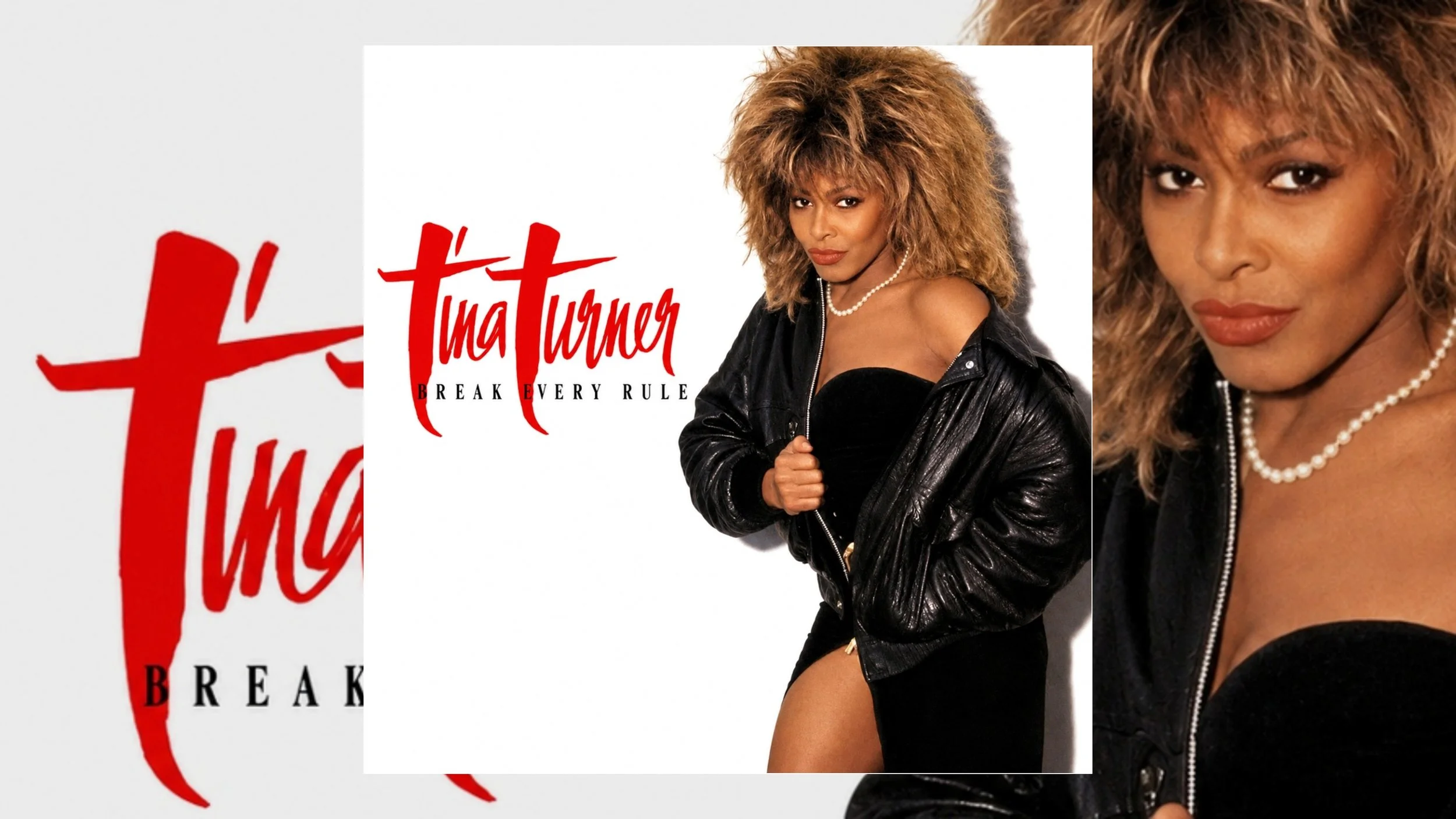
Happy 40th Anniversary to Tina Turner’s sixth studio album Break Every Rule, originally released September 23, 1986.
Forty years after its release, the title of Tina Turner’s Break Every Rule feels almost biographical. By September 1986, Turner had already broken most of the rules that governed how the music industry understood women, age, race and reinvention. Private Dancer (1984) had accomplished something far greater than a successful comeback two years earlier. It had returned an artist once treated as part of somebody else’s story to the center of her own. The question facing Turner was no longer whether she could survive. It was what she would sound like once survival stopped being the headline.
Break Every Rule answered with authority. Turner’s sixth solo studio album and her first consisting entirely of newly recorded material written for the project, it retained some of the sophisticated pop architecture of Private Dancer while pushing harder into rock, soul and the gleaming technological language of mid-1980s production. Graham Lyle and Terry Britten, whose “What’s Love Got To Do With It” had become inseparable from Turner’s renaissance, controlled the original vinyl’s first side, while Bryan Adams, Bob Clearmountain, Mark Knopfler, Neil Dorfsman and Rupert Hine gave the second a more varied complexion. It could have sounded like an album assembled by committee. Turner prevents that. Everything eventually submits to the personality of the woman singing it.
“Typical Male” makes that clear immediately. Phil Collins supplies the drums, Britten and Lyle construct the immaculate pop machinery, but Turner provides its intelligence. There is a sound in her voice that belongs exclusively to her, soulful but roughened around the edges, capable of amusement and command within the same phrase. She understands the absurdity of the song’s romantic power struggle and sings accordingly. Reaching #2 in America, it also demonstrated that Private Dancer had not been some miraculous commercial aberration.
“What You Get Is What You See” places her squarely inside rock, where she never sounds like a visitor. The guitar work is muscular without becoming cumbersome, with the riff around the 2:37 mark providing a particularly satisfying jolt, while Turner attacks the lyric with such conviction that its premise becomes almost secondary to the pleasure of hearing her inhabit it.
“Two People” reveals another dimension altogether. Returning to it decades later is to rediscover how beautiful Turner could sound when she reduced the abrasion without surrendering intensity. Her voice is astonishingly clear here. The production is unmistakably 1986, yet beneath the keyboards and polished surfaces sits something considerably less dateable: two adults trying to understand what intimacy asks of them.
Listen to the Album & Watch the Official Videos:
“Till The Right Man Comes Along” extends that conversation but refuses desperation. Its narrator is not waiting helplessly for romantic rescue; she is perfectly capable of continuing without it. That distinction matters when sung by Turner. Her history inevitably changed the emotional temperature of lyrics concerning autonomy, desire and men, sometimes regardless of whether the writers intended it. She had earned the right to make independence sound neither defensive nor lonely.
The first side grows more atmospheric with “Afterglow,” Steve Winwood’s keyboards adding color to Britten’s production, before “Girls” brings David Bowie and Erdal Kızılçay into Turner’s orbit. Bowie would later record the song himself, but Turner got there first, finding something tougher beneath its pop construction. Phil Collins returns on drums, yet the record never becomes a parade of famous men surrounding a famous woman. That is an important distinction. These musicians contribute to Tina Turner records. They do not define them.
“Back Where You Started” opens the album’s second half with considerably more dirt under its fingernails. Written by Bryan Adams and Jim Vallance and produced by Adams with Bob Clearmountain, it reconnects Turner with the rock ferocity heard on her collaboration with Adams, “It’s Only Love.” Her performance won the GRAMMY Award for Best Rock Vocal Performance, Female, her third consecutive victory in the category. Awards aside, the recording remains compelling because Turner never mistakes volume for power. Her rasp has architecture. She knows where to tighten a phrase, where to fracture it and when to simply let the voice tear through.
Rupert Hine and Jeannette Obstoj’s title track is more intriguing than its chart performance suggests. “Break Every Rule” turns surrender into something strangely defiant, its sleek production rubbing against Turner’s physical vocal presence. Hine returns for the closing “I’ll Be Thunder,” where the imagery of storms and emotional danger might have overwhelmed a less commanding singer. Turner makes the metaphor feel bodily. Thunder is not something happening around her. She becomes it.
Between those songs sit two of the album’s most revealing recordings. Mark Knopfler’s “Overnight Sensation” carries a deliciously cruel irony when placed in Turner’s mouth. Nothing about her success had happened overnight. By 1986 she had endured decades of performance, abuse, escape, financial uncertainty, indifferent record executives and the exhausting labor of rebuilding a name the industry had once considered commercially finished. Calling Tina Turner an overnight sensation was almost an insult to the years it had taken her to arrive there. She sings the song with enough wit to understand the joke and enough history to expose it.
Paul Brady’s “Paradise Is Here” reaches somewhere deeper. Knopfler’s guitar and production, Branford Marsalis on soprano saxophone and backing vocals that include Sam Brown create an expansive setting, but Turner finds the intimacy within it. The song rejects the postponement of happiness, insisting that paradise exists in the present rather than some imagined future. Coming from Turner, that thought acquires unusual weight. This was a woman whose public narrative had so often been constructed around what had happened to her. Here she sounds concerned with what remains available to her.
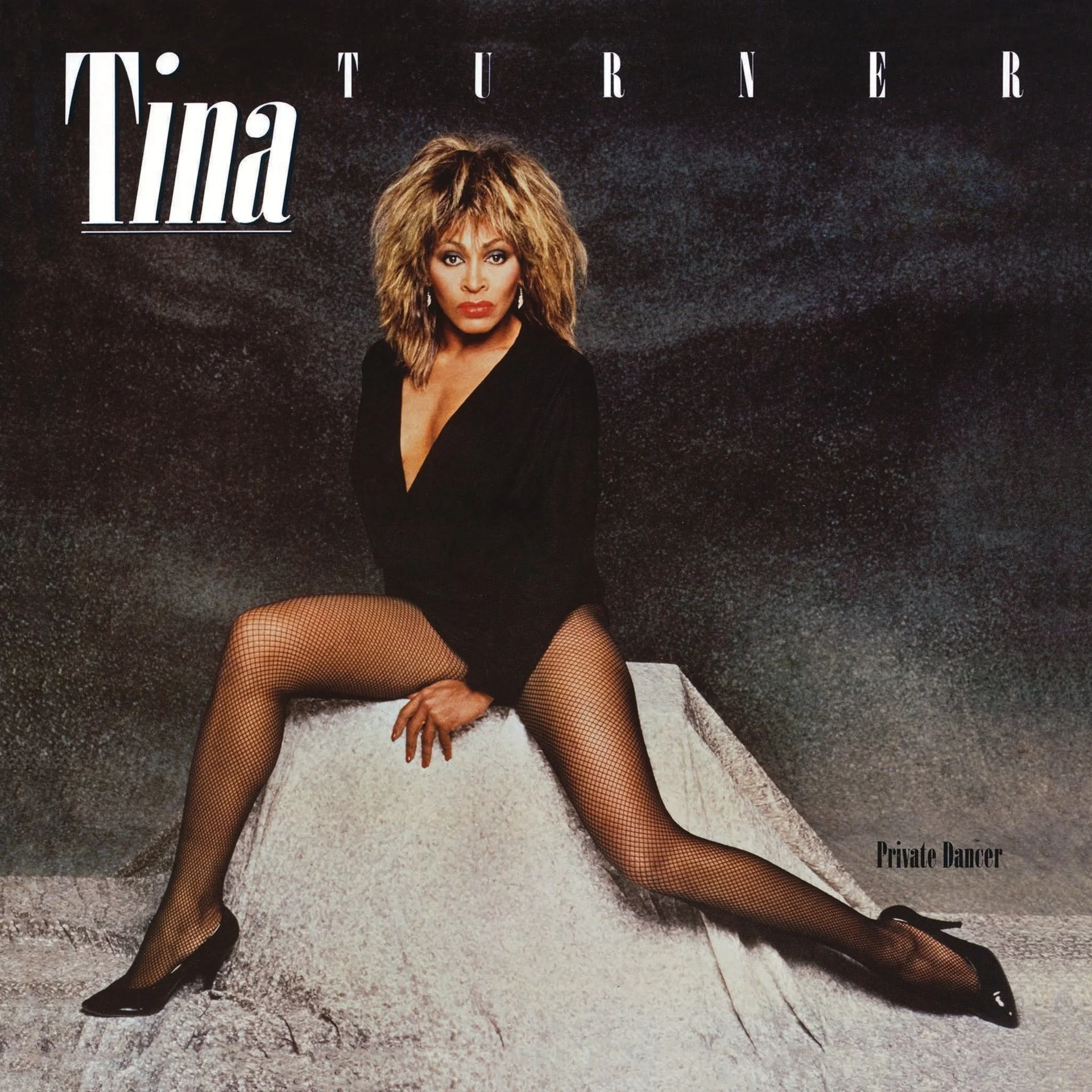
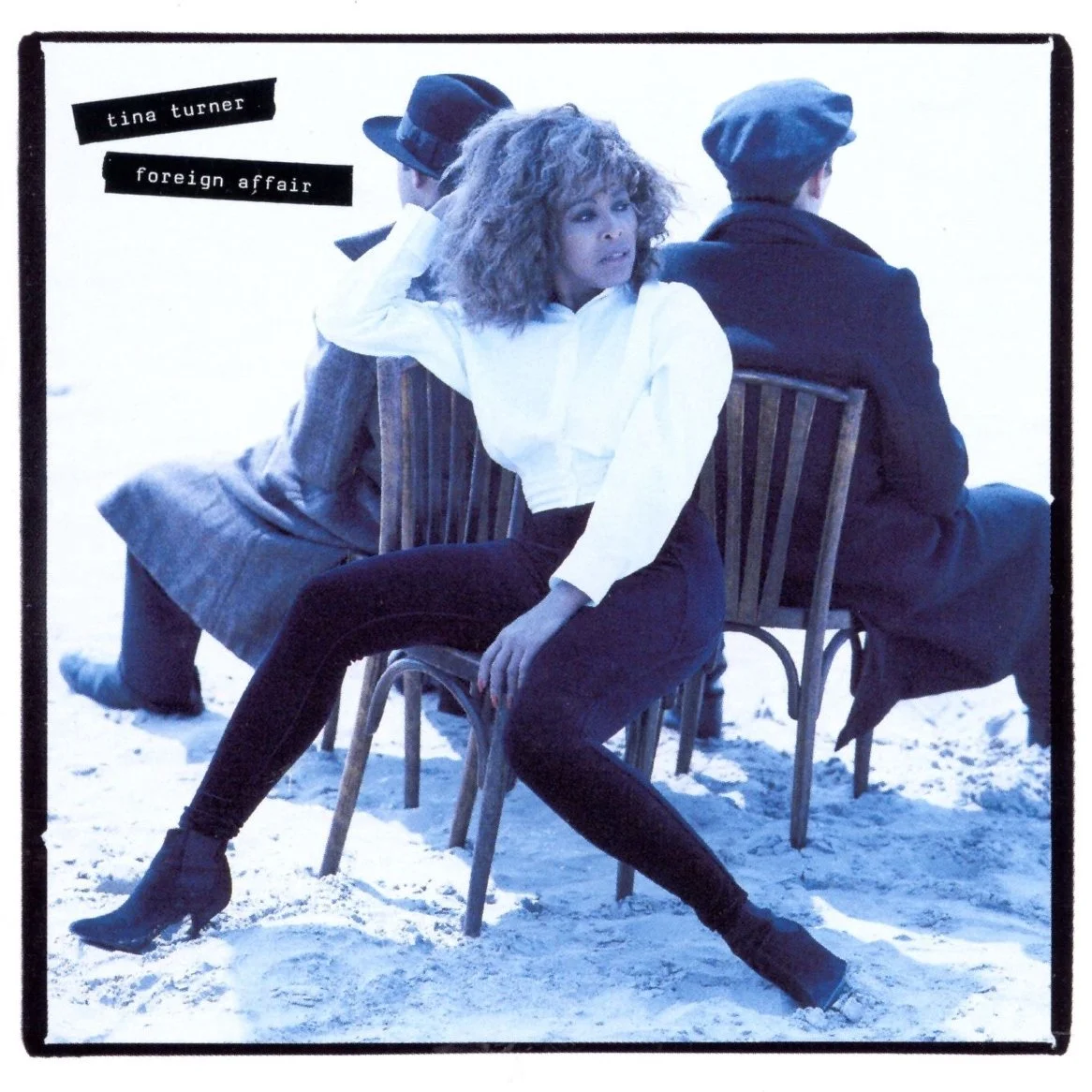
Enjoying this article? Click/tap on the album covers to explore more about Tina Turner:
That may be Break Every Rule’s greatest achievement. It did not need to manufacture another resurrection because Turner had already resurrected herself. Instead, it documented possession: of voice, sexuality, career, image and space. Eight of its eleven songs would become singles somewhere in the world, while the subsequent tour transformed Turner into one of the defining live performers of the decade. She was in her late forties at a time when pop culture routinely treated women as though desirability and relevance carried an expiry date.
Turner made that proposition look ridiculous.
Four decades later, some of Break Every Rule’s production unmistakably carries the fingerprints of 1986, but Turner herself has barely dated at all. The hair, leather, legs and extraordinary physicality became visual shorthand, yet concentrating solely on the iconography misses the sophistication underneath it. She altered popular culture because she expanded its imagination of what a female rock star could be. Black, female, middle-aged, sexually autonomous and impossible to reduce to her past, Turner did not ask the culture to make room for her.
By Break Every Rule, she had already discovered how much room she could take.
Listen:
